
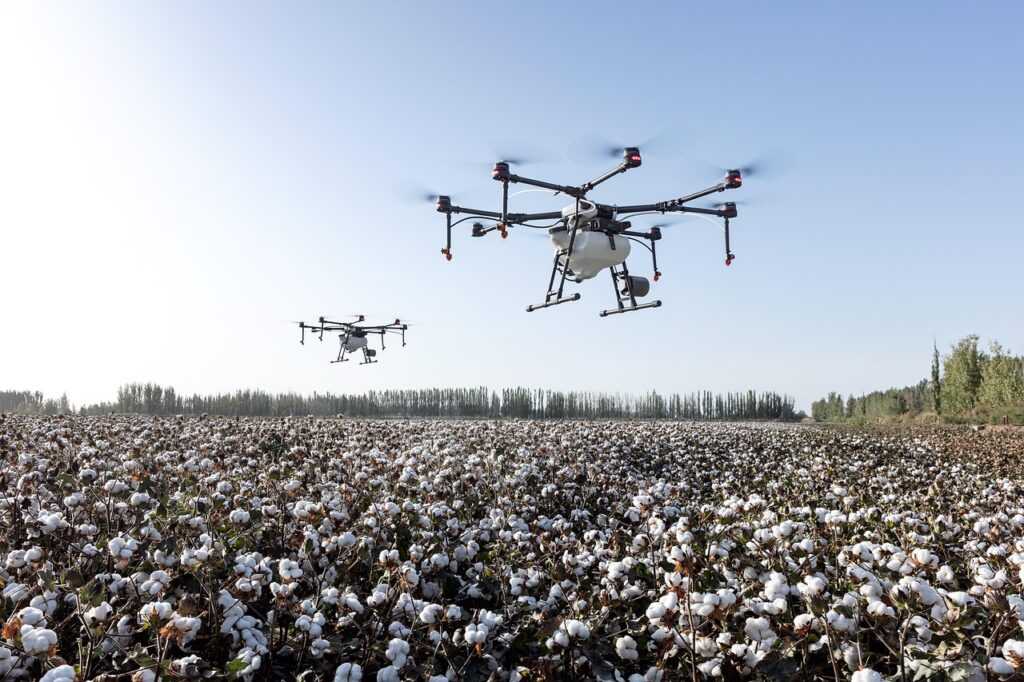
Smarter Cities, Smarter Farms
Urban agriculture has grown up. It’s no longer a feel good experiment confined to summer rooftop plots. What we’re seeing now is a full blown tech movement woven into the urban fabric. Farms are moving indoors, going vertical, and syncing with data systems that track everything from pH levels to energy consumption.
Sustainability, technology, and food security are no longer separate goals they’re merging. The result? Cities are backing urban ag like never before. We’re talking about infrastructure grants, public private partnerships, and zoning changes that prioritize local food systems. Why? Because local farming cuts down transport emissions, cushions against global supply chain shocks, and feeds communities in real time.
In 2026, the smartest cities won’t just be wired they’ll be grown. This isn’t about novelty. It’s about resilience. And urban farming is stepping up.
Vertical Farming 2.0
This isn’t the vertical farming we had ten years ago. Today’s systems are leaner, smarter, and built for extreme urban density. Next gen models use precision LED lighting that mimics sunlight on a cellular level. Nutrient delivery? Automated. Timed down to the minute. Crops don’t just grow they’re optimized.
What’s more, these systems are modular and mobile. Algae walls thriving in shipping containers. Leafy greens stacked in retrofitted basements. Mushrooms sprouting in old textile mills. Wherever space is tight, vertical farms are slotting in. City infrastructure is becoming fertile ground.
But the real shift is in efficiency. The best setups now use up to 95% less water than traditional outdoor farming. And yield per square meter has doubled in the last five years, thanks to data driven tweaks in everything from airflow to root zone temperature. It’s agriculture, rebuilt for the realities of modern cities.
Aquaponics and Aeroponics Go Mainstream
Breaking Free from Soil
Urban farming is evolving fast, and soil is no longer a requirement. With space at a premium and environmental concerns on the rise, scalable, efficient, soil free systems like aquaponics and aeroponics are taking center stage.
Aquaponics: Combines fish farming (aquaculture) with hydroponics in a closed loop ecosystem. The fish waste provides nutrients for the plants, and the plants help filter the water for the fish.
Aeroponics: Grows plants in air or mist environments, using up to 90% less water than traditional farming and eliminating the need for soil altogether.
These methods make it easier to build compact, high yield farms inside cities on rooftops, in basements, or even inside repurposed office spaces.
A Self Balancing Ecosystem
The core appeal of aquaponic systems lies in their natural balance:
Fish produce waste rich in ammonia
Bacteria convert ammonia into nitrates valuable plant nutrients
Plants absorb these nutrients while purifying the water, which cycles back to the fish
This synergy reduces the need for chemical fertilizers and makes the entire system more resilient and low maintenance when properly set up.
Advantages Over Traditional Hydroponics
While hydroponics paved the way for soilless agriculture, aquaponics and aeroponics offer several compelling improvements:
Water Efficiency: Aeroponics uses fine mist significantly less water than flow based hydroponic systems
Nutrient Cycling: Aquaponics creates its own fertilizer stream, reducing operating costs
Scalability: These systems are highly modular, making them ideal for fitting into tight urban spaces
Sustainability: Reduced waste, lower water usage, and organic nutrient sources make them cleaner and more eco friendly
These soil free systems aren’t just high tech they’re high potential. As cities become more crowded and climate concerns grow, scalable urban farming solutions like aquaponics and aeroponics represent a vital path forward.
Artificial Intelligence for Urban Crops
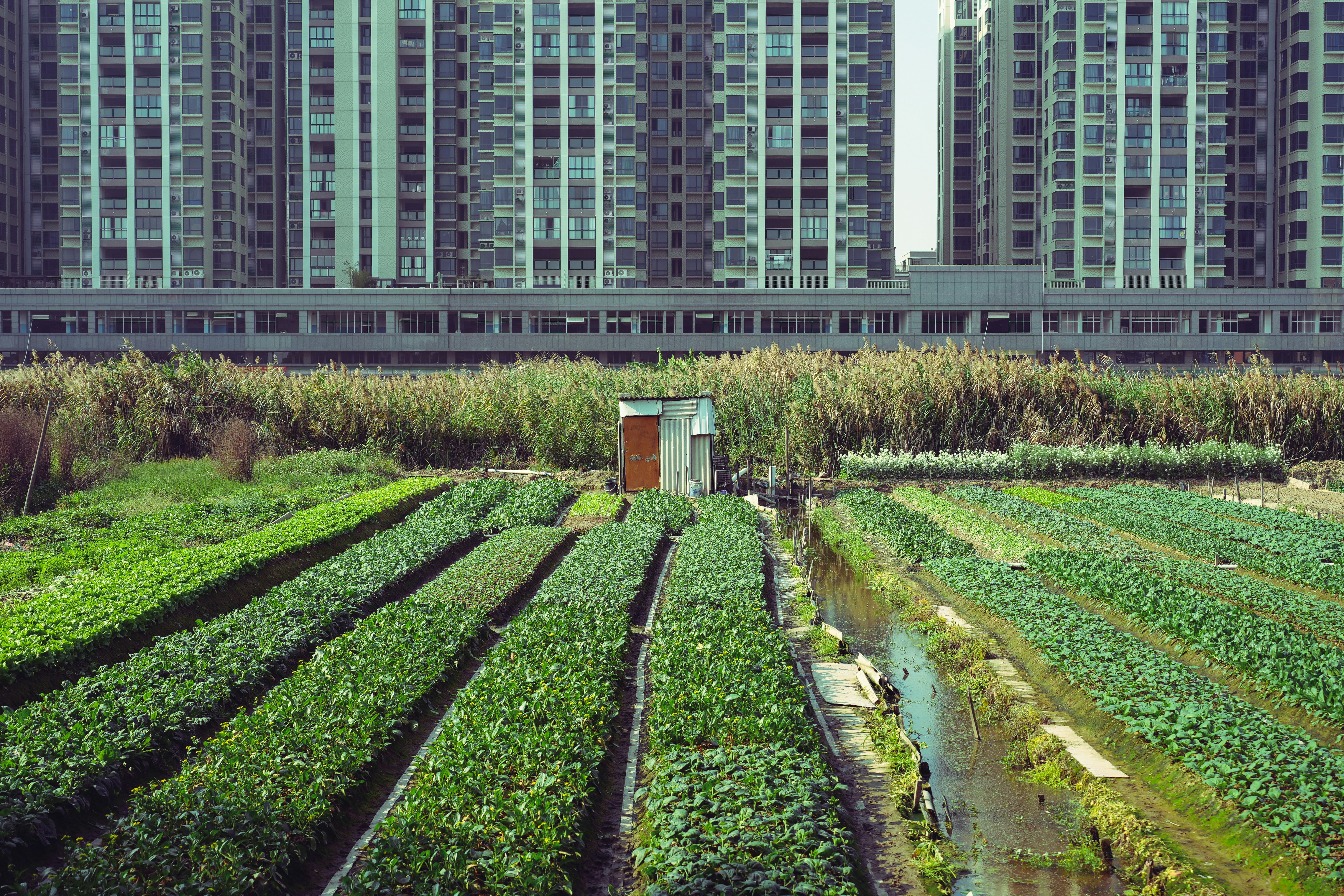
AI is quickly becoming the quiet engine behind efficient urban agriculture. Machine learning can now analyze cycles light, water, nutrient intake and adjust them to hit optimal growth windows for different crops. The result? Less guesswork, less waste, more yield.
Then there’s computer vision. Mounted cameras and sensors scan plants for early signs of nutrient deficiencies or pest activity. Humans could miss it or catch it late. Machine eyes don’t blink. They flag trouble before it spreads, saving time and reducing chemical use.
Add smart forecasting into the mix. AI tools are analyzing local consumption patterns down to the neighborhood block, helping growers produce what their communities are actually going to eat. Fewer spoiled crops. More local demand met. Hyper efficient systems that respect both data and dirt.
AI isn’t replacing farmers it’s turning them into sharper decision makers.
Connecting Crops to the Cloud
Modern urban farms aren’t just powered by soil and seeds they’re wired, synced, and running on data. Across rooftops, containers, and warehouse grow ops, IoT sensors are tracking every key variable in real time from humidity and pH levels to temperature and light exposure. These sensors do more than just report; they enable farms to respond instantly. Irrigation turns on when moisture drops. Lights adjust to mimic ideal daylight conditions. All of this is managed remotely, often via a simple dashboard on a phone or tablet.
This level of control and precision used to be reserved for massive commercial growers. Now, with low cost sensors and plug and play automation tools, even small community farms can operate like tight run labs. Consistency improves. Energy and water usage drop. Yields get smarter, not just bigger.
The real win? Insight. Cloud connected systems gather patterns over time, helping growers anticipate environmental shifts, pests, or system failures before they spiral. In dense urban settings where space and resources are slim, this kind of foresight isn’t just nice to have it’s survival.
More on this shift: smart farming with IoT
Community Owned AgriTech Hubs
Urban farming isn’t just getting smarter it’s getting more communal. Across cities, shared infrastructure for indoor farming and food processing is cutting costs and lowering barriers. Vacant warehouses are turning into micro farm hubs, where multiple growers share tools, space, and utilities. For small scale producers, it’s the difference between idea and impact.
Co op models are making agri tech more accessible to low income neighborhoods. Instead of relying on big capital, communities can now own and operate their own tech enabled food systems. From LED lit hydro rigs to climate controlled grow rooms, the equipment is expensive but when pooled, it becomes manageable. And the payoff? More local jobs, fresher produce, and faster supply loops.
Then there’s distribution. Forget the middleman. These hubs are using digital platforms to connect growers directly with restaurants, stores, and households. Tech enabled local supply chains are faster, leaner, and more resilient especially when traditional channels falter. It’s not just about growing food in the city anymore. It’s about keeping it there, too.
What to Watch Next
Urban food systems are shifting from being reactive to proactive thanks to AI and IoT. These technologies aren’t just add ons; they’re the backbone of the next generation of urban agriculture. By using data from IoT sensors, farms can fine tune everything from water use to nutrient cycles in real time. Add AI into the mix, and you’ve got predictive systems that reduce waste, improve yield, and respond to demand before shortages even hit.
This isn’t just about tech flex. It’s about resilience. As cities face rising temperatures, tighter spaces, and greater food insecurity, AI optimized urban farms provide more than lettuce on a rooftop they offer stability. Sensor rich growing systems can run with minimal human intervention, keep food production local, and bounce back faster after disruptions.
The real shift? Cities are starting to treat food not only as a consumption problem but as a production opportunity. Think smart grids, but for kale and tomatoes. As food becomes part of the urban infrastructure with its own data, energy systems, and feedback loops the line between agriculture and city planning gets thinner. Cultivation is no longer relegated to rural zones. It’s becoming a central pillar of city life.
 Gabriella Irvine is a dedicated team member contributing to the growth and development of the project. With a background in environmental science, she brings valuable insights into sustainable practices and community engagement. Gabriella's passion for urban sustainability drives her to collaborate closely with other team members, ensuring that innovative strategies are effectively implemented. Her commitment to education and outreach helps empower individuals and communities to adopt eco-friendly lifestyles, making her an essential asset in fostering positive change within the project.