
Why Biodegradable Packaging Matters
The packaging problem is in plain sight overflowing landfills, plastic clogging waterways, and microplastics making their way into food chains. Decades of single use plastic culture have left us with a global waste crisis. The pace of consumption hasn’t slowed, and most packaging isn’t designed to last it’s designed to be tossed. The problem? It sticks around for centuries.
Biodegradable materials shift this script. These are compounds that break down naturally in the environment, some in weeks or months rather than decades. They don’t need fire or fuel to disappear and in many cases, they return to the soil harmlessly. That’s a massive upgrade in a throwaway economy.
But here’s where terms start getting messy. Biodegradable, compostable, and recyclable are not interchangeable. Biodegradable means a material can decompose with help from natural agents like bacteria or fungi. Compostable goes further: it breaks down into non toxic components under specific conditions, often leaving behind nutrient rich soil. Recyclable? That just means it can be processed into something new if it actually gets recycled, which is hit or miss depending on your local system.
Understanding these differences matters. Mislabeling leads to waste going to the wrong bins, which ruins recycling batches and damages compost sites. If we want cleaner systems, smarter habits, and less waste, we need to get clear on what’s in our hands and what happens to it after it leaves them.
Best Materials Used in Biodegradable Packaging
Biodegradable packaging isn’t just hype it’s evolving fast with a growing toolbox of materials that break down cleanly and leave little trace. Let’s cut straight to it.
First up: plant based polymers. PLA (polylactic acid) is the workhorse here. It’s made from fermented plant starch (usually corn or sugarcane) and shows up in everything from food containers to clear film wraps. It looks like plastic, feels like plastic, but breaks down under the right composting conditions. Then there’s PHA (polyhydroxyalkanoates), which is newer and tougher. It’s produced by microbial fermentation of organic materials, making it fully biodegradable even in marine environments. PHA is being used for straws, cutlery, and coatings, especially where durability still matters.
Next, old school paper and cardboard, upgraded. When sourced from responsibly managed forests (think FSC certified), they remain a reliable low impact option. Their natural fibers decompose easily and, when uncoated, go straight into most recycling or compost bins. Bonus: they’re printable and customizable without heavy chemicals.
Then there are the headline grabbing materials. Mushroom packaging, made from agricultural waste and mycelium (the root structure of fungi), is a low energy, biodegradable alternative to Styrofoam. Seaweed wraps are another newcomer biodegradable films derived from algae that work for food wrapping and single use pouches. These might still be niche, but they’re catching on with eco focused brands looking to stand out.
Bottom line: there’s no silver bullet, but the mix of classic and cutting edge materials is getting better and smarter by the year.
How Compostable Packaging Supports Zero Waste Goals
Compostable packaging is more than just a buzzword it plays a critical role in reducing waste and supporting the circular economy. But not all composting systems work the same way, and not all ‘compostable’ products live up to the label. Here’s how to understand and assess compostable packaging in the real world.
Industrial vs. Home Composting
The difference between industrial and home composting is significant, and it affects how packaging breaks down:
Industrial composting facilities maintain high heat and consistent moisture levels, allowing for faster decomposition (within weeks).
Home composting typically operates at lower temperatures and varies based on climate, compost composition, and management. Some packaging labeled as compostable may not break down effectively in home systems.
Key Tip: Always check for the appropriate compostability labeling when disposing of packaging otherwise, it might not degrade properly.
Core Benefits of Compostable Materials
Choosing compostable packaging helps reduce environmental impact in several ways:
Reduces landfill waste by diverting organic material from traditional disposal streams
Lowers greenhouse gas emissions compared to petroleum based plastic alternatives
Enriches soil through the production of nutrient rich compost, closing the loop on consumption
What to Look for in Certified Compostable Packaging
Not all eco packaging claims are created equal. Ensure you’re using truly compostable products by checking for:
Third party certifications, such as BPI (Biodegradable Products Institute) or OK Compost
Clear labeling indicating suitability for industrial or home composting
Material details that list bio based inputs and exclude harmful additives
A product labeled simply as “biodegradable” is not necessarily compostable. Biodegradability lacks clear timelines and standards look for compost certified items to stay truly zero waste.
For a deeper dive, explore this guide on compostable packaging.
Real World Applications and Everyday Swaps
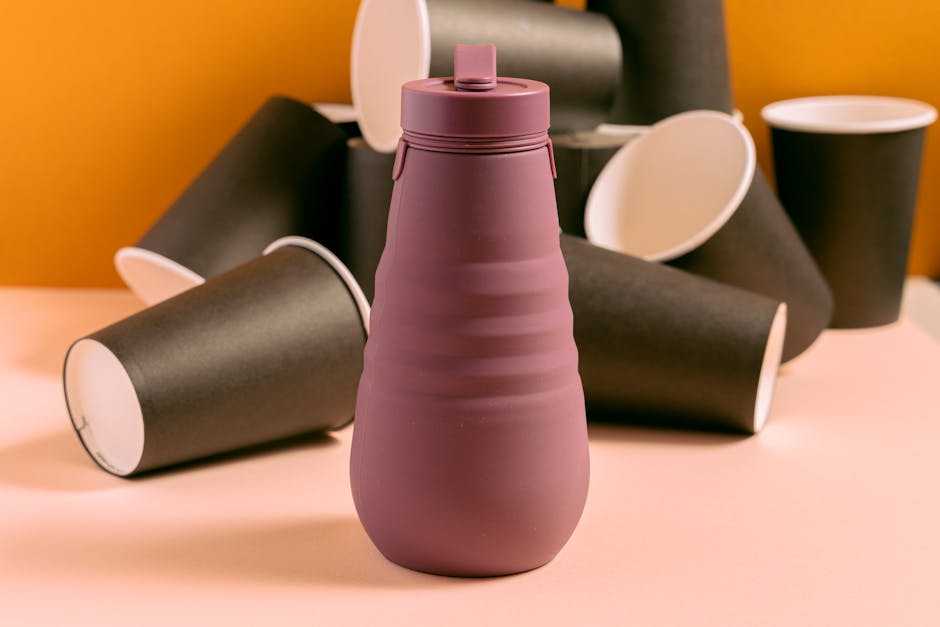
Biodegradable packaging isn’t just a trend it’s becoming the expectation. Across industries, brands are dropping petroleum based plastics in favor of compostable and plant derived alternatives. That shift is showing up in simple, everyday ways.
In grocery and food delivery, compostable containers made from sugarcane fiber or cornstarch are replacing foam and plastic clamshells. Bio based wraps think cellulose film from wood pulp or PLA liners keep freshness without the landfill cost. Meal kit services and restaurants are under pressure to match eco conscious consumer values, and packaging is one of the clearest signals.
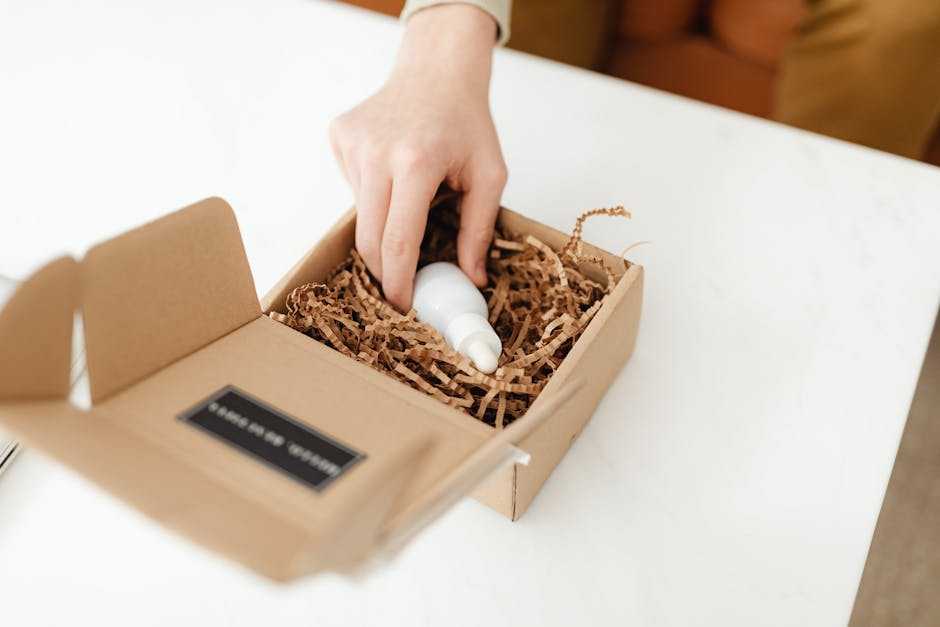
E commerce is also catching up. Recycled or compostable padded mailers padded with cornstarch foam are taking the place of plastic bubble mailers. Companies are swapping out plastic based void fill (think packing peanuts) for shredded paper or mushroom based cushioning. Even tape is getting upgraded home compostable kraft tapes are available with plant based adhesive, holding strong without synthetic waste.
In cosmetics and personal care, big players and indie brands alike are transitioning to biodegradable blister packs, paper based tubes, and refillable jars made from compostable bioplastics. What used to be overwrapped in layers of plastics is now being re thought from the product outward, with minimalism and material science leading the way.
These changes don’t fix everything. But they’re solid, meaningful steps from throwaway to circular and they’re scaling fast.
Going from Consumer to Advocate
Buying something new? Start with the package. Before you click or pull something off the shelf, check what it’s wrapped in. Is the material clearly marked as compostable or biodegradable? Is it recyclable, and if so, where? Does it even need packaging at all? The best rule of thumb: if you can’t responsibly dispose of it where you live, reconsider the purchase.
Next, talk to businesses in your area. Your favorite café using plastic lids? Your local shop still shrink wrapping produce? Start a conversation. Ask about alternatives. Sometimes, local owners need a nudge or a tip toward a supplier with affordable biodegradable options. Your voice as a customer carries weight.
Big impact comes from pushing beyond individual choices. Getting involved in policy matters. Find out what zero waste or packaging laws are in the works in your city or state, and support them. Align with brands that are funding and innovating in this space not just greenwashing. Share them. Buy from them. Help them grow.
Being an advocate doesn’t mean being perfect; it means staying active, asking better questions, and shifting habits with purpose.
Final Take
Big change doesn’t always mean big effort. Something as simple as swapping plastic takeout containers for compostable ones, or choosing paper based mailers over polybags, can add up fast especially when millions of people make the shift together. These aren’t abstract ideas. These are decisions you make in the grocery aisle, in your online cart, at the coffee shop.
Compostable packaging isn’t perfect, and it isn’t a silver bullet. But it is a clear step in the right direction. You don’t need to overhaul your life to get closer to zero waste living. You just need to start with what you use every day: packaging.
At the end of the day, progress looks like habits. One swap at a time. One routine reconsidered. That’s how we move toward a circular economy with our hands, wallets, and choices leading the way.
For deeper guidance, read this in depth breakdown on compostable packaging.
 Gabriella Irvine is a dedicated team member contributing to the growth and development of the project. With a background in environmental science, she brings valuable insights into sustainable practices and community engagement. Gabriella's passion for urban sustainability drives her to collaborate closely with other team members, ensuring that innovative strategies are effectively implemented. Her commitment to education and outreach helps empower individuals and communities to adopt eco-friendly lifestyles, making her an essential asset in fostering positive change within the project.