
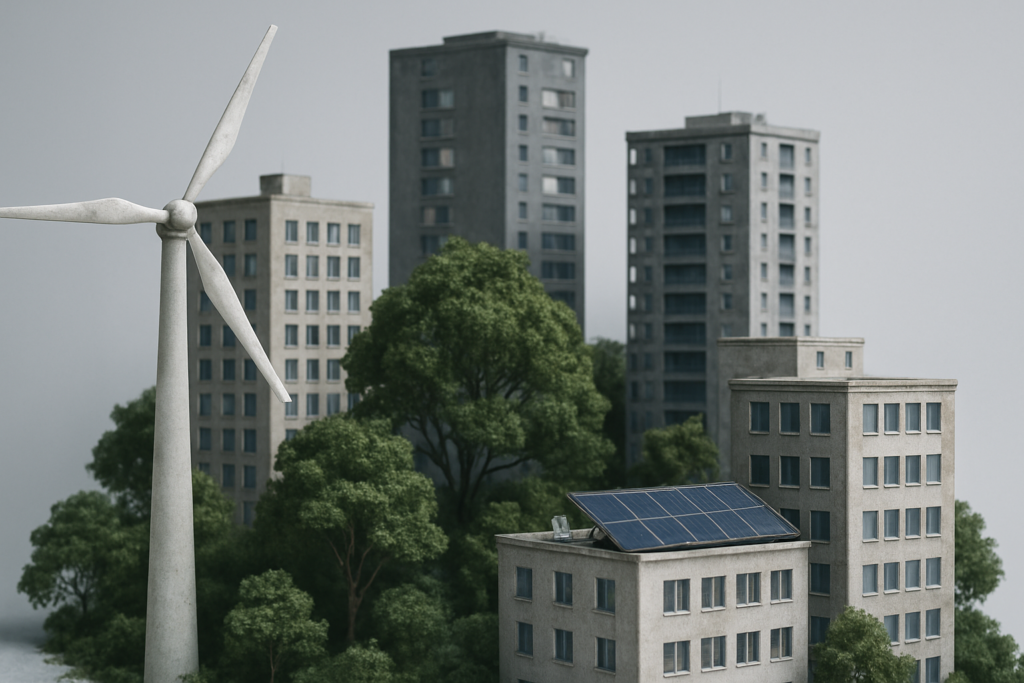
What’s Driving the Green Roof Boom
Cities around the world are turning their rooftops into green havens. But what’s fueling this rapid transformation? It’s more than just aesthetics. Urban planners and policymakers are recognizing rooftops as untapped assets with the potential to combat some of the biggest environmental challenges cities face.
Urban Problems, Rooftop Solutions
The challenges of dense urban living demand bold, innovative designs and green roofs provide exactly that.
Air pollution: Plants absorb airborne pollutants, improving overall air quality.
Urban heat islands: Green roofs cool surrounding areas by reducing surface temperatures.
Stormwater runoff: Vegetation slows and absorbs rainwater, easing pressure on drainage systems.
By addressing multiple environmental concerns at once, green rooftops offer a multitasking solution that traditional infrastructure can’t match.
Governments Are Getting Involved
Municipal initiatives and national policies are pushing the green movement skyward. To encourage adoption, many cities now offer incentives, including:
Tax credits for eco friendly construction
Grant programs to offset installation costs
Relaxed zoning laws for projects that integrate sustainable features
These incentives aren’t just about going green they’re about long term resilience and reducing strain on aging infrastructure.
Why Now?
As climate change accelerates and urban centers expand, the need for sustainable solutions has never been more urgent. Green roofs present a scalable, manageable way to layer sustainability into city growth plans without expanding their footprint.
Key Benefits That Are Hard to Ignore
Green roofs aren’t just a trend they’re proving their value where it counts: practical, everyday impact. First up: energy bills. A well designed green roof adds insulation, which means buildings stay cooler in the summer and warmer in the winter. Less strain on HVAC systems, lower operational costs. Not flashy, but effective.
Then there’s the broader urban benefit heat. Most cities suffer from the urban heat island effect, where concrete and asphalt absorb and retain warmth. Covered rooftops push things in the opposite direction. They act like sponges for solar radiation, lowering overall temperatures in dense areas. This isn’t theory it’s already happening in parts of Singapore and New York.
And while no one expects to see a rainforest sprouting downtown, green roofs are quietly creating miles of microhabitat for birds, bees, butterflies, and even the occasional fox or wildflower. Nature moves in fast when you give it space. The shift might start on a rooftop, but the ripple effect hits far and wide.
(Explore more on the impact of green roofs)
How Green Roofs Are Reshaping Cityscapes
Walk through downtown Chicago or across the High Line in New York, and you’re looking at rooftops doing much more than just covering buildings. These aren’t just spaces for HVAC systems and water tanks anymore they’re growing wildflowers, filtering runoff, and cooling the air. Green roofs are turning forgotten flat surfaces into active city infrastructure.
In Toronto, the City Hall podium roof garden is now a public space and a design icon. In Berlin, nearly every new commercial build includes a green rooftop by default less trend, more regulation. Even Los Angeles, better known for sprawl than sustainability, is layering rooftop vegetation into its push for urban resilience.
What ties these examples together is a shift in thinking. Utility and visual impact aren’t separate goals. A roof can trap rainwater, grow herbs, and cool the building while still looking good from above or street level. And these projects don’t just disappear into the background they literally change the skyline. Where there was once steel and gravel, now there’s movement, layers, and life.
These skyline transformations aren’t decoration they’re a visual signal of smarter, more sustainable cities taking shape from the top down.
What It Takes to Build One
Creating a successful green roof requires more than simply adding soil and plants to a rooftop. Behind the beauty and environmental benefits lies careful planning, smart design, and an understanding of both structural and ecological aspects. Here’s what every builder, architect, or building owner must consider:
Structural Considerations Most People Overlook
Before installation, the building must be assessed for its structural capacity. Green roofs can be deceptively heavy, especially after rain or snow adds weight.
Load bearing capacity: Older structures may need reinforcement before supporting a green roof.
Waterproof membranes: Protection against leaks is critical; specialized barriers must be installed.
Drainage systems: Proper drainage ensures plants survive and prevents water buildup that can damage the structure.
Plant Choices That Thrive Without Constant Care
Choosing the right vegetation is one of the most crucial decisions for long term success. Ideally, plants should suit the local climate and require minimal maintenance.
Sedum and succulents: Popular for their resilience and drought resistance.
Native grasses and wildflowers: Encourage biodiversity and are often naturally adapted to local conditions.
Low maintenance perennials: Provide greenery year round with limited upkeep.
A Real World Cost Breakdown
Installing a green roof is an investment, but one with long term savings and advantages.
Upfront costs: Range between $10 $35 per square foot depending on depth, complexity, and design.
Long term value:
Reduced HVAC costs (insulation from heat and cold)
Extended roof lifespan due to protection from UV and thermal stress
Potential tax credits or local government incentives
Maintenance costs: Generally low if well designed, with periodic checks for drainage, plant health, and mechanical systems.
While green roofs demand thoughtful planning and capital to start, the payoff is both ecological and financial transforming costs into long term gains for cities and residents alike.
The Future Is Layered and Living
Green roofs aren’t the endpoint they’re the on ramp. Think of them as step one in a vertical forest strategy. As urban centers run out of space to expand outward, they’re finally looking up. Layering greenery on rooftops is laying the foundation for buildings wrapped in plant life from base to crown.
But this future isn’t just about aesthetics. Integration is the name of the game. Smart rooftops now combine vegetation with solar panels, rainwater capture systems, and even small scale urban farming. The aim? Maximize function per square foot. A roof that cools the building, generates power, feeds residents, and absorbs runoff is no longer a fantasy.
Technology is helping green infrastructure scale without getting messy. Remote monitoring, automated irrigation, and even drones for inspection are making maintenance more manageable even when the greenery grows beyond one story.
Cities that invest now are setting themselves up for regenerative architecture that does more than reduce harm it actively improves environments. This is the future, and green roofs are where it begins.
(Take a deeper look at the continuing impact of green roofs)
 Gabriella Irvine is a dedicated team member contributing to the growth and development of the project. With a background in environmental science, she brings valuable insights into sustainable practices and community engagement. Gabriella's passion for urban sustainability drives her to collaborate closely with other team members, ensuring that innovative strategies are effectively implemented. Her commitment to education and outreach helps empower individuals and communities to adopt eco-friendly lifestyles, making her an essential asset in fostering positive change within the project.