
The Case for More Trees in Urban Life
Urban development is accelerating at a historic pace but with it comes an ever thickening layer of concrete, asphalt, and steel. As buildings rise and roads expand, urban tree coverage is often the first thing to go. Yet research continues to show that greenery isn’t a luxury it’s an urgent necessity.
More Than Just Aesthetic
Trees in cities serve critical ecological and human functions. It’s not just about curb appeal; urban canopies directly address key environmental and public health issues:
Combatting Urban Heat Islands: Dense tree cover can cool neighborhoods by several degrees, reducing reliance on air conditioning and lowering energy costs.
Improving Air Quality: Trees trap particulate matter and absorb pollutants, protecting residents from respiratory issues.
Boosting Mental Health: Access to green space has been linked to lower stress levels, improved mood, and better cognitive performance.
The Cost of Inaction
Cities that neglect green infrastructure pay the price in other ways:
Increased healthcare costs due to heat stress and pollution related illnesses
Infrastructure strain from flooding exacerbated by poor water absorption
Social disconnection stemming from sterile, uninviting public spaces
A Green Imperative for Urban Planners
With climate pressures mounting and urban populations growing, tree planting is no longer optional. It must be embedded into city planning at every level from zoning codes to budget allocations.
Green infrastructure must be prioritized alongside transport and housing.
Early planning is key: retrofitting trees is costly, while proactive integration is efficient and impactful.
Urban trees may seem small compared to skyscrapers, but their collective impact can reshape the trajectory of entire cities making them more livable, equitable, and climate ready.
Reconnecting People with Nature
Plant a tree, change a block. It’s simple, but the ripple effects are real. Tree lined streets draw more people outside not just for the shade, but for the way greenery softens the entire vibe of a neighborhood. With more eyes on the street, crime drops. People linger, say hello, notice each other. That alone builds something cities are always chasing: trust.
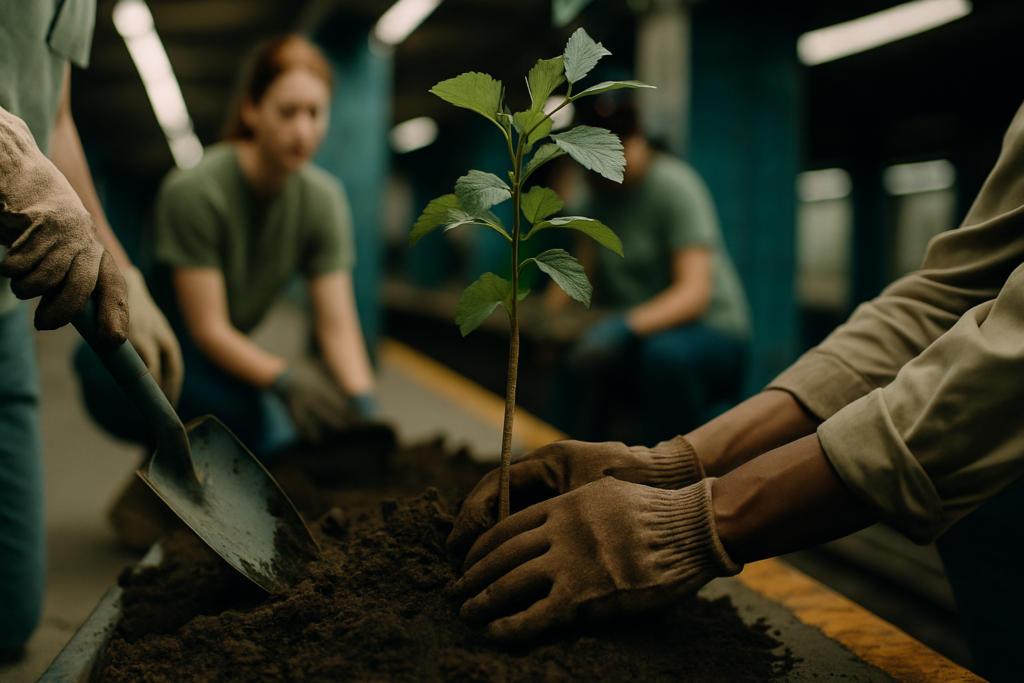
But this isn’t only about what trees do it’s also about who’s planting them. Neighborhood tree events are low tech and high impact. Dig a hole together, and suddenly you’re not just neighbors you’re co owners of a small piece of the community. Schools and clinics in particular see major payoffs. A shaded yard or cool entrance area becomes more than a convenience. It’s comfort. It’s dignity.
Momentum starts with roots not just the ones in the ground, but the social ones above it. Urban design can’t fake that. Trees can help grow it.
Ecological Benefits That Multiply
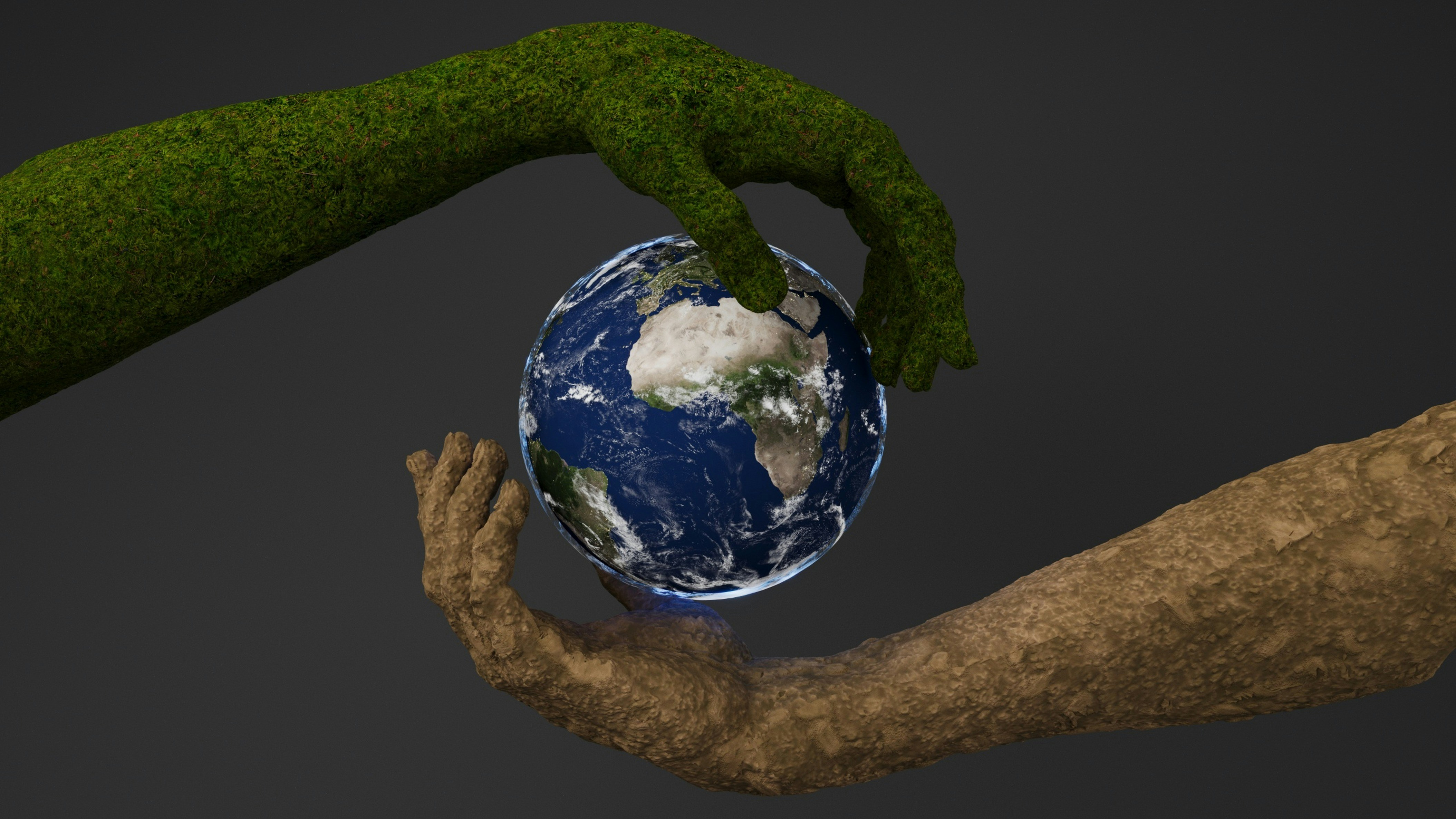
Urban tree planting is more than a beautification effort it’s a key component of climate resilience, environmental health, and long term urban sustainability. As cities face increasing ecological pressures, the presence of trees serves as an essential counterbalance.
Trees as Natural Urban Infrastructure
Trees provide a range of environmental services that directly address the growing pressures of urban living:
Air Filtration: Trees absorb air pollutants like nitrogen dioxide, ozone, and fine particulate matter.
Carbon Sequestration: Urban forests act as carbon sinks, helping to offset emissions from vehicles, buildings, and industry.
Stormwater Management: Tree roots increase soil permeability, reducing surface runoff, lowering flood risks, and filtering water before it enters city drainage systems.
These functions help cities battle rising temperatures and improve overall air and water quality problems that disproportionately affect densely populated areas.
Supporting Biodiversity Through Native Species
When cities choose to plant native trees, they do more than improve urban aesthetics they create micro ecosystems that support birds, bees, butterflies, and other essential pollinators. Unlike ornamental or non native species, native trees:
Provide natural habitats and food sources for local wildlife
Encourage pollination, which benefits urban gardens and green rooftops
Help restore ecological balance by supporting the life cycles of insects and animals adapted to the region
Cities as Biodiversity Hubs
Urban areas can become powerful pockets of biodiversity if designed with intention. Tree planting plays an integral role in this transformation. Learn more about this process in our deep dive on urban biodiversity spaces, which explores how thoughtful tree planting contributes to vibrant, interconnected habitats in unexpected places schoolyards, alleys, parkways, and even abandoned lots.
By treating trees as vital components of the urban ecosystem, cities are not just planting for today’s needs, but for a more balanced and sustainable future.
Equity in Canopy Cover
Tree cover can tell you a lot about a neighborhood not just how leafy it looks, but how livable it really is. The reality is, not everyone gets an equal share. In many cities, wealthier areas enjoy lush parks, tree lined boulevards, and shaded sidewalks. Just a few blocks away, lower income neighborhoods may deal with bare pavement, sweltering summers, and the absence of meaningful green space.
Tree equity maps are exposing just how wide that gap is. These data tools don’t just show where trees are they highlight what those absences cost. Less shade means more heat related health risks. Poor air quality hits harder without leaves to filter the pollution. Issues like asthma, stress, and social disconnection show up more often when trees and safe outdoor spaces are lacking.
The fix isn’t just about planting more trees. It’s about planting the right ones in the right places with intention. Cities are starting to act. Targeted efforts are putting resources into the areas that need canopy cover most. It’s a slow shift, but one with real potential: improving daily life, health outcomes, and community pride all planted one tree at a time.
What’s Working Now
Urban tree planting only sticks when it’s more than a photo op. The cities doing this well? They treat trees like roads or sewers real infrastructure, not just decoration. That mindset changes everything. Budgets get bigger. Maintenance becomes routine, not optional. And most importantly, outcomes start to scale.
A lot of progress is coming from unlikely mashups: tech meets local elbow grease meets smart policy. Apps like TreeMap or OpenTree let volunteers tag sapling locations, track growth, and flag problems, while city planners use the data to map canopy goals and monitor health. It’s a two way street digital tools inform people on the ground, and boots on the ground feed info back into city systems.
Local buy in is non negotiable. Cities are roping in neighborhood schools to adopt blocks of trees, encouraging kids to water and watch them grow. Small businesses chip in too some sponsor planters outside their shops or offer discounts for community volunteers. These micro alliances turn a planted sapling into a cared for piece of the neighborhood.
Bottom line: planting trees isn’t the whole game. Keeping them alive and making sure every planted tree contributes to a broader urban plan is what separates a nice gesture from real urban resilience.
Next Steps: From Leaf to Landscape
Throwing trees in the ground isn’t enough. For urban planting to actually move the needle, it has to be smart from the start. That means picking the right species not just the most aesthetic, but the ones built for local climate, soil, and wildlife. It also means thinking about root space, how close trees are to buildings or sidewalks, and what kind of maintenance they’ll need over the next 10 years. A half dead sapling that never reaches maturity doesn’t serve anyone.
City planners are starting to see trees less as decoration and more as infrastructure. The best planting strategies link up with stormwater systems, bus stops, bike lanes, and pedestrian networks. A well placed tree can cool a bus shelter, absorb runoff during downpours, and invite people to walk neighborhoods they used to avoid.
But the real game changer? Rewilding the urban core. Projects that connect tree planting to biodiversity goals like creating small corridors for birds or habitats for pollinators are transforming gray spaces into functional, living systems. Urban biodiversity spaces are showing how strategic planting helps nature fight back in the city.
Done right, trees aren’t just a shield against heat and pollution. They’re the backbone of cities built to last.
 Gabriella Irvine is a dedicated team member contributing to the growth and development of the project. With a background in environmental science, she brings valuable insights into sustainable practices and community engagement. Gabriella's passion for urban sustainability drives her to collaborate closely with other team members, ensuring that innovative strategies are effectively implemented. Her commitment to education and outreach helps empower individuals and communities to adopt eco-friendly lifestyles, making her an essential asset in fostering positive change within the project.