
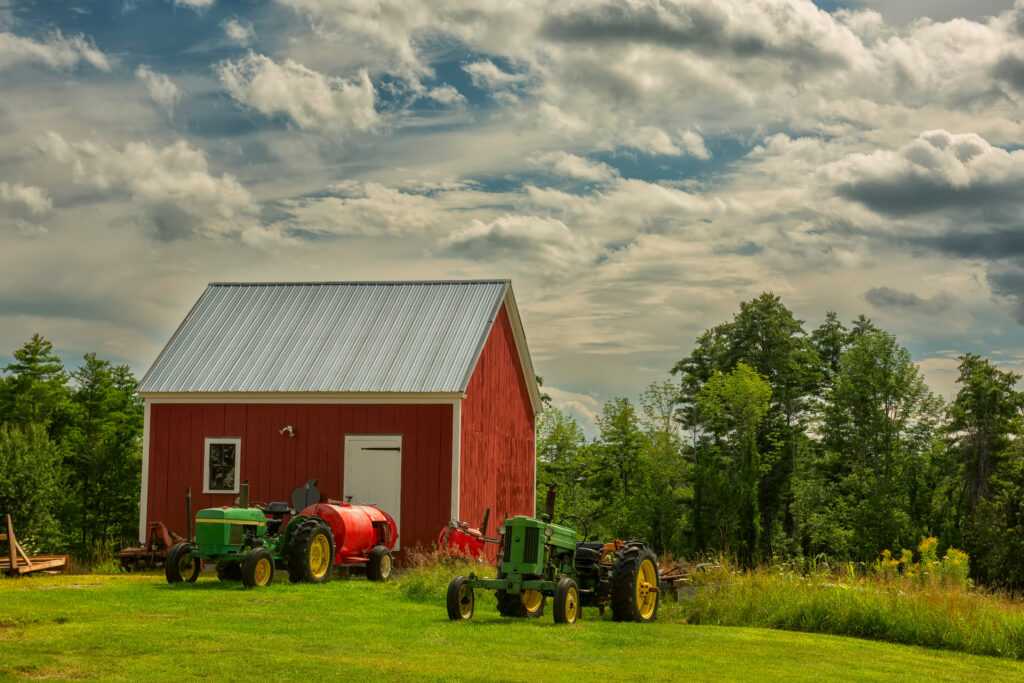
Creating an energy-efficient shed doesn’t have to involve a large project or a high price tag. A few well-chosen improvements can help reduce energy use, enhance comfort, and support the equipment you rely on every day. Many of these upgrades are simple to apply and start making a difference right away. If you want to cut running costs without committing to major work, these steps offer a solid way forward.
Strengthen Temperature Control With Practical Insulation Upgrades
Sheds often experience rapid temperature changes, especially those with older materials or minimal insulation. Heat moves in and out more quickly than you might expect, which makes the space harder to use and pushes heaters or fans to work longer. Structures used for equipment storage or daily tasks feel this shift even more.
Adding insulation in targeted areas helps reduce these fluctuations and provides a more stable environment throughout the year. If your farm shed feels too warm in summer afternoons or colder than expected on early mornings, insulating the roof, door panels, or upper walls can make a noticeable difference. Choosing the right insulation materials can also improve durability and temperature control.
You don’t need to cover every surface to improve performance. Focus on the sections that feel most affected by outdoor temperatures. The roof, exposed wall sections, and metal surfaces tend to benefit the most. Once these areas are insulated, the shed becomes more predictable and easier to manage. Even small changes help create a steadier indoor setting that suits the local climate.
Reduce Energy Loss by Sealing Openings and Drafts
Buildings shift over time, and sheds develop small gaps as they settle. These openings allow warm or cool air to escape and often go unnoticed until you feel a draft when you walk inside. This is especially true in older agricultural sheds that have seen years of wear.
A quick inspection around door frames, corners, and baseboards can help you locate the spots where air moves in or out. Sealing these areas with caulk or weatherstripping helps improve temperature control and lower energy use. Spaces that rely on sliding doors or roller doors may benefit from additional sealing around the edges to prevent drafts.
This upgrade is simple but gives you immediate results. Once the gaps are sealed, the shed becomes more comfortable and easier to regulate. A tighter structure also protects tools and supplies from sudden temperature changes. Even though the fix is small, it supports every other improvement you make and strengthens moisture control inside the shed.
Choose Lighting That Supports Efficiency
Lighting plays a larger role in energy use than many shed owners realize. Older bulbs use more power and create unnecessary heat, especially during warmer months. Replacing them with LED options lowers electricity consumption and reduces heat inside the shed. LEDs also last longer, so you spend less time on maintenance.
Simple controls, such as motion sensors or timers, improve efficiency even further. They ensure lights are used only when needed, which helps prevent accidental energy waste. Natural light can also work in your favor. If your shed has windows or skylights, keeping them clean allows more daylight to enter, and selecting the right window sizes helps brighten your workshop space during the day.
Natural airflow can add comfort while reducing the need for artificial lighting. Skylights, clear panels, and strategically placed openings help distribute light evenly throughout the shed. These features make the space easier to work in and support the energy savings you aim to achieve.
Improve Air Movement and Temperature Regulation
Airflow has a direct impact on how usable your shed feels throughout the day. Fans, vents, and adjustable openings help distribute air more evenly, preventing hot or cold pockets from forming. Effective ventilation systems also support a cleaner, healthier workspace.
Proper circulation creates a more comfortable setting and supports the insulation or sealing work you’ve already completed. It also extends the life of any heating or cooling equipment by reducing unnecessary strain. A well-planned system pairs nicely with features like metal roofing, which reflects heat and helps limit temperature buildup.
Temperature control devices such as basic thermostats can also help. They maintain consistent levels and prevent heating or cooling equipment from running longer than needed. When temperatures remain steady, your systems use less energy and require less effort to maintain a comfortable space. This type of improvement works well in sheds that serve as both storage areas and active workspaces.
Update Key Systems That Influence Daily Energy Use
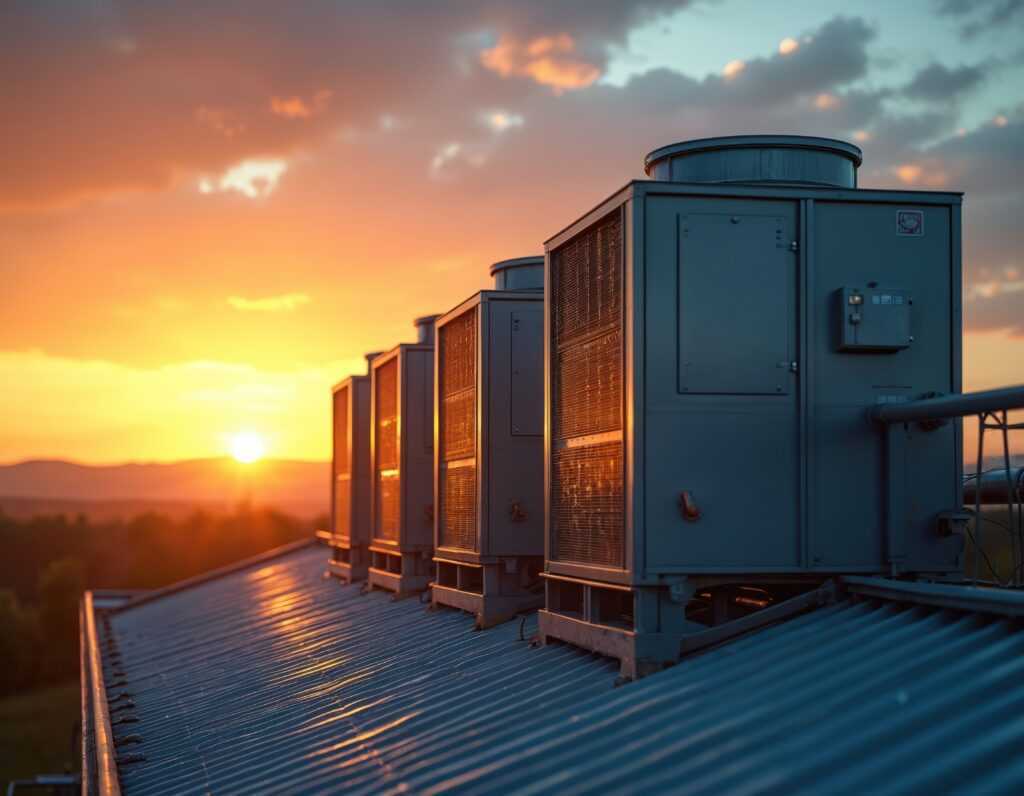
Some equipment inside a shed operates longer than expected, especially heaters, fans, and dehumidifiers. Older units often use more energy than newer models, and replacing even one outdated item can improve efficiency. Modern equipment tends to run more smoothly and uses less power to maintain airflow or temperature, which is particularly important if your shed supports tasks related to urban farming or daily upkeep.
Routine upkeep also matters. Clearing vents, removing dust buildup, and cleaning filters help equipment run efficiently. These tasks take only a few minutes but support better performance and extend the life of your systems. Features such as custom options in a shed layout or a custom build design can also make maintenance easier and improve accessibility. If you’ve noticed inconsistent temperatures or slow operation, a quick check often solves the issue and reduces unnecessary energy use.
In Conclusion
Energy efficiency doesn’t have to involve costly upgrades or structural changes. Targeted insulation, sealed gaps, efficient lighting, and proper airflow all contribute to a shed that performs better and costs less to maintain. These improvements create a more comfortable and dependable space without stretching your budget. With a few thoughtful adjustments, you can enhance your shed’s performance and make daily tasks easier in every season.
 Carolyna Riteralo is a passionate contributor to the project, focusing on sustainable urban development. With her background in architecture and urban planning, she provides valuable perspectives on integrating green spaces and eco-friendly designs into urban environments. Carolyna works collaboratively with the team to implement strategies that enhance community well-being and foster a connection with nature. Her dedication to creating greener cities makes her a vital member of the project, as she helps shape initiatives that promote resilience and improve the quality of urban life.