

What Is yandex anak sma?
Let’s break it down. “Yandex” is a Russian search engine—basically Russia’s version of Google. “Anak SMA” means high school student in Indonesian. When combined, yandex anak sma is often used as a search term by people trying to find youthoriented content tucked away in digital corners. Spoiler alert: it’s not usually for studying chemistry or math.
The appeal? Yandex doesn’t filter or moderate search results the same way Google does. Some users believe they can access “uncensored” or hardtofind content ranging from innocent to borderline illegal—which is where the controversy starts.
Why It’s Trending Among Students
Teenagers are resourceful. If there’s a digital loophole, they’ll find it. Smartphones, forums, and FOMO culture mean high schoolers easily share tips, links, and sites. Once the term yandex anak sma started circulating, it spread like wildfire.
Here’s the flow:
Someone discovers a backdoor via Yandex. They find content or material that seems elusive elsewhere. They share it in chat groups, sometimes even bragging about it. Others copy and paste that exact phrase to dig deeper themselves.
The virality is driven by curiosity, peer validation, and the thrill of “hacking” the internet. Much like earlier generations traded disk drives or pirated CDs under desks, the platform’s changed—but the behavior hasn’t.
The Ethical Dilemma Behind yandex anak sma
This is where things get tricky. There’s a fine line between curiosity and exploitation. Accessing or sharing explicit content—especially if it involves minors—is not just unethical; it can be criminal. Indonesian cyber laws, like UU ITE, are very clear on distributing or accessing illegal digital content.
Searches like yandex anak sma can go from interest to illegality in seconds. What starts as a joke link can spiral into a digital footprint that lasts years and leads to real consequences like account bans, school suspensions, or worse—police involvement.
Parents and digital educators are starting to notice. Conversations now include warnings about browsing history, online privacy, and the impact of visiting shady websites. It’s not just about malware anymore—it’s about morality and legality.
How Schools and Parents Are Responding
Digital literacy is becoming a must, not a luxury. Schools that once focused only on academic performance are now introducing tech awareness programs. These sessions are aimed at teaching students how to navigate the internet responsibly and understand just how deep (and risky) some rabbit holes go.
Some smart steps parents and schools are starting to take:
- Installing web filters: Preventing access to known Yandexbased search terms or suspicious domains.
- Open discussions: Creating a safe space for teens to talk about what they see online.
- Digital contracts: Agreements between kids and parents on acceptable online behavior.
- Monitoring software: Used sparingly, this provides alerts rather than constant surveillance.
Rethinking Curiosity in the Age of Algorithms
Curiosity isn’t bad. It’s human. But pairing unlimited data with unfiltered search tools like Yandex requires some foresight. Algorithms aren’t neutral—they’re designed for engagement, not ethics. When a trend like yandex anak sma gains momentum, it’s rarely about innocent exploration.
The better question might be: how do we guide young users away from harmful content while still nurturing their hunger to learn and discover? Banning searches doesn’t always work—education and trust usually yield better results.
Final Thoughts on yandex anak sma
The term yandex anak sma might just seem like a curious keyword, but it underscores a much larger issue—how digital openness, cultural norms, and youth behavior mix in unpredictable ways. It’s not about pointing fingers. It’s about understanding why these trends happen and what role technology, guidance, and responsibility play.
If we want the next generation to grow up safe and smart online, we can’t just block content. We’ve got to explain why it’s blocked—and what’s behind the digital doors they’re so eager to open.
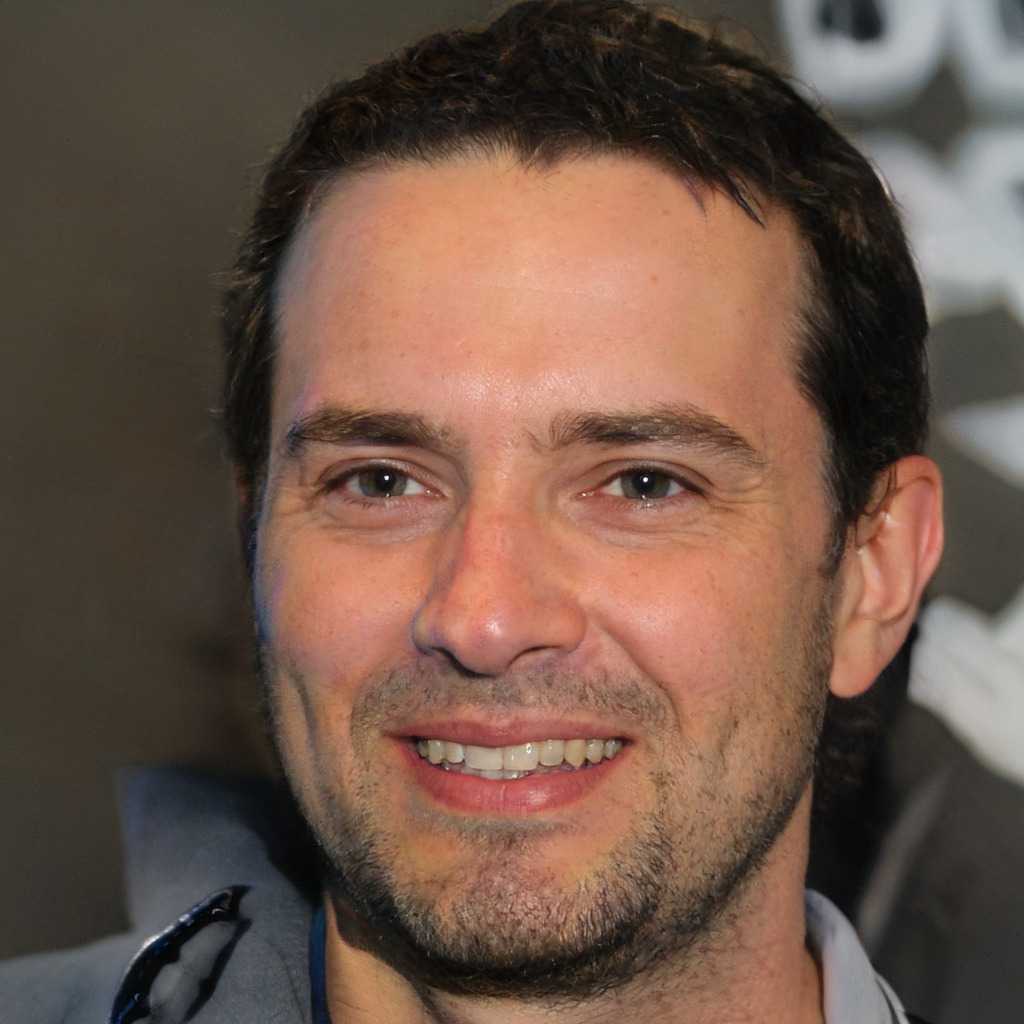 Jameser Knowlesicker is the visionary founder of the project, passionately advocating for urban agriculture and sustainability. His commitment to transforming city landscapes into vibrant green spaces led him to create a platform that disseminates the latest news and trends in urban farming. Jameser focuses on promoting eco-friendly practices and products, emphasizing the health benefits of growing one’s own food. Under his leadership, the project has become a vital resource for urban gardeners and sustainability enthusiasts, inspiring collective efforts to foster environmental sustainability and enhance urban life.