

You’re scrolling again.
Staring at another avocado toast photo that looks nothing like your kitchen counter.
Why does every food blog feel like a performance?
Like you need a marble island, a DSLR, and six hours to make toast?
I’ve been there. Tried the fancy techniques. Wasted money on gadgets that collect dust.
Most culinary blogs don’t help (they) intimidate. They show perfection, not process. They sell gear, not confidence.
Food Blog Fhthopefood was built for cooks who value honesty over aesthetics.
I’ve developed recipes in cramped apartments, with hand-me-down pots, with kids underfoot, with zero culinary school training. Tested them with first-timers and home chefs alike. All using what’s already in their cabinets.
This isn’t about flawless plating or viral trends. It’s about flavor you can trust. Cooking habits that last.
Real choices. Not sponsored shortcuts.
You’ll learn how to adapt, not follow. How to taste, not just measure. How to cook without second-guessing yourself.
No fluff. No gatekeeping. Just food that works.
Every time.
Why Hope Isn’t Fluff (It’s) Your Stovetop Safety Net
Hope isn’t wishful thinking.
It’s the quiet confidence that comes from doing something just enough times to trust your hands.
On Fhthopefood, every recipe has hope markers. Not vague promises (but) real cues. Like “bubbles should break softly, not boil aggressively.” Or “should yield like warm butter.” Or “if it’s grainy, whisk in 1 tsp hot broth and keep stirring.”
Most food blogs skip this. They say “cook until done” (done how?) or “until golden brown” (golden which shade?). I tried a “roast until fragrant” recipe last month.
Smelled nothing after 45 minutes. Burned the pan. Felt stupid.
(Spoiler: It meant the oil, not the spices.)
Another blog said “simmer gently.” No temp. No visual. Just… gently.
Gently is not a temperature. Gently is not a sound. Gently is a mood (and) moods don’t cook soup.
A reader emailed me about an under-seasoned lentil soup. She used the “taste and stir in lemon juice while simmering” hope marker from the Fhthopefood recipe. Fixed it in 90 seconds.
Said she cried. Not from stress. From relief.
That’s why I call it the secret ingredient. It doesn’t go in the pot. It goes in you.
Food Blog Fhthopefood builds that back (deliberately.)
Ingredient Swaps That Actually Work
I don’t design swaps for textbooks. I design them for your Tuesday night, your burnt pan, your kid refusing dinner.
That’s why Food Blog Fhthopefood uses a three-tier system: pantry staples (yogurt for sour cream), seasonal pivots (roasted squash when sweet potatoes are gone), and dietary shifts (tamari + nutritional yeast instead of soy sauce).
Swaps fail when they’re tested in isolation. I test them in the dish. Does the yogurt curdle in hot soup?
Does roasted squash hold up in a grain bowl? Does that umami combo survive 30 minutes in the oven?
Yes. It matters if your swap changes timing or texture. Yes.
It matters if it flattens flavor instead of building it.
Here’s what actually works:
| Problem | Better Swap | Why |
|---|---|---|
| Buttermilk | 1 cup milk + 1 tbsp vinegar | Acid activates baking soda and mimics tang |
| Fresh herbs | Dried oregano + lemon zest | Zest adds brightness dried herbs lack |
| Canned beans | Cooked lentils + splash of bean broth | Same texture, same starch release |
Banana for eggs in savory dishes? No. Just no.
Try flax egg or silken tofu instead.
You want reliability (not) trends.
The “No-Recipe” Cooking System That Builds Intuition
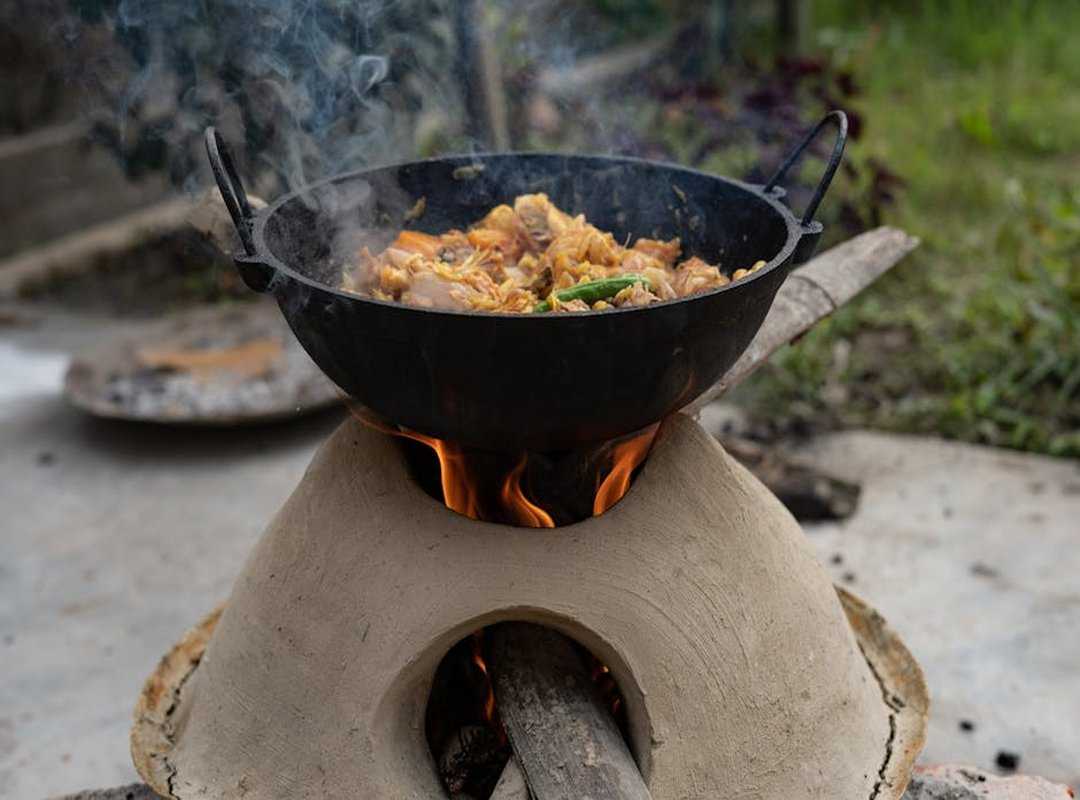
I stopped following recipes two years ago. Not because I’m fancy. Because I got tired of staring at screens while my food got cold.
The system is Base + Fat + Acid + Accent. That’s it. Rice + olive oil + lemon + parsley.
Lentils + ghee + tamarind + cilantro. You’ve eaten this combo a hundred times. You just didn’t know it had a name.
Base fills you. Fat carries flavor and mouthfeel. Acid cuts through heaviness (it’s) why your taco feels complete after that squeeze of lime.
Accent wakes up your nose and tongue (cilantro, toasted cumin, fried shallots. Yes, those count).
You don’t improvise here. You recognize patterns. Like knowing lentils need acid more than rice does.
Or that too much fat without acid tastes like wallpaper paste.
Let’s build a grain bowl right now. Cook barley. Swirl in browned butter.
Splash vinegar. Not lemon juice, today it’s apple cider. Top with pickled red onion and dill.
Feeling heavy? Add more acid. Bland?
More accent. Rushed? Use whatever fat you opened first.
This isn’t magic. It’s repetition. And Fhthopefood bakes this logic into every post.
No fluff, no gatekeeping.
Food Blog Fhthopefood doesn’t teach recipes. It teaches how to stop asking for permission to cook.
Try it tonight. Use what’s in your fridge. Then ask yourself: did it taste balanced?
If not. Adjust one element next time. Not three.
Just one.
That’s how intuition grows.
Real Food, Not Feed Algorithms
I don’t use stock photos. None. Zero.
Not even one “rustic wooden spoon on marble” shot.
All the food you see? Photographed in natural light. On my actual countertop.
With crumbs, water rings, and that one chip near the sink.
No AI-generated “trendy” recipes either.
I won’t give you a lavender-matcha-buckwheat pancake stack unless I’ve burned three batches trying to get it right.
Every post passes an editorial filter.
It must answer at least one of these: What did I learn this week? or What mistake did I fix? or What made my kitchen feel like home again?
Most blogs chase page views. We track repeat engagement. 72% of readers come back within 7 days. They know a post will solve one narrow, real problem.
Like why your sourdough starter quit in July humidity.
Yes, growth is slower. Fewer viral hits. But email open rates are high.
And readers send me their own “kitchen wins” unprompted.
That’s the trade-off I’ll keep making.
Zero compromise on authenticity.
If you’re tired of scrolling past glossy noise, check out the latest Food Trends Fhthopefood roundup. It’s not trending anywhere else. Because it’s not built for algorithms.
It’s built for cooks.
Food Blog Fhthopefood is where that starts.
Your Kitchen Is Ready for You
I’ve been there. Staring into the fridge like it’s a puzzle I’m supposed to solve.
Cooking shouldn’t feel like a test. It shouldn’t hinge on perfect timing or flawless plating. You just want food that tastes good (and) feels good to make.
That’s why the four pillars exist:
Hope markers. So you notice progress, not just mistakes. Real-life swaps (no) more “substitute 1 cup almond milk” nonsense.
Intuitive frameworks. Cook with your hands, not a spreadsheet. Human-centered storytelling.
Because recipes written by people who burn toast? That’s the kind of voice you trust.
You don’t need another plan. You need one thing that works today.
Go to Food Blog Fhthopefood right now. Pick one post that matches what’s actually happening in your kitchen this hour. “I have leftover rice.”
“My herbs are wilting.”
“I’m tired of takeout.”
Read only the intro and the first method. Then cook it. No notes.
No second-guessing. Just you and the stove.
This isn’t about getting it right. It’s about showing up.
Your kitchen doesn’t need perfection.
It needs you. Curious, kind, and willing to try.
 Gabriella Irvine is a dedicated team member contributing to the growth and development of the project. With a background in environmental science, she brings valuable insights into sustainable practices and community engagement. Gabriella's passion for urban sustainability drives her to collaborate closely with other team members, ensuring that innovative strategies are effectively implemented. Her commitment to education and outreach helps empower individuals and communities to adopt eco-friendly lifestyles, making her an essential asset in fostering positive change within the project.