
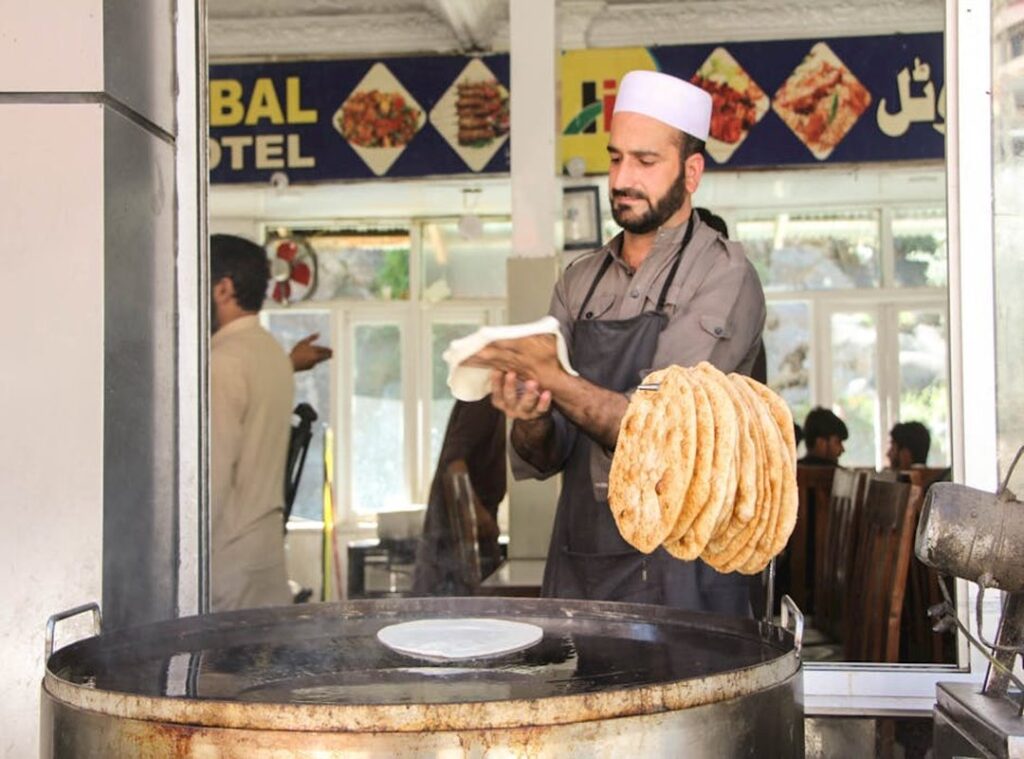
You’ve tried making Falotani before.
And it didn’t taste like the one you remember. The one that filled the kitchen with warm cumin and toasted coriander, the one that melted on your tongue just right.
Instead, you got something flat. Or mushy. Or worse.
Bland.
I know because I’ve burned more batches than I’ll admit.
Most recipes treat Falotani like a lab experiment. Too many steps. Too much guesswork.
This isn’t that.
This is the Way to Cook Falotani that works every time. No fancy gear. No chef training.
I’ve tested it with beginners, busy parents, and people who still burn toast.
It’s simple. It’s repeatable. It’s real.
In the next few minutes, you’ll get the exact sequence. Nothing extra, nothing missing.
Just food that tastes like home.
The Foundation: What You Actually Need
I’ve burned three batches of Falotani trying to wing it. Don’t be me.
This guide starts with what’s non-negotiable. And what you can swap without wrecking everything.
Fresh garlic. Not powdered, not jarred. It hits different.
Raw bite matters. If you only have roasted garlic, skip it. That version won’t cut it.
1 cup dried Falotani beans (yes, dried. Canned won’t hold up)
2 tbsp olive oil (extra virgin, not “light”)
1 large yellow onion, diced fine
Why yellow onion? It sweetens just right. Red gets sharp.
White fades. Yellow stays balanced.
No fresh parsley? Use cilantro. Same volume.
It’s not traditional, but it works. And beats skipping green entirely.
You need a heavy-bottomed pot. Not a skillet. Not a saucepan.
A pot that holds heat steady. Also: a wooden spoon (metal scratches), and a colander that doesn’t leak beans through the holes.
A food processor? Optional. I mash by hand.
Gives better control.
You’ll also need patience. Falotani takes time. Rush it, and you get mush or crunch.
No in-between.
The Way to Cook Falotani isn’t about speed. It’s about letting things settle.
Salt late. Always. Early salt tightens the beans.
They’ll stay hard.
And yes. Taste as you go. Your tongue knows more than any recipe.
Falotani: Don’t Guess, Just Make It
I’ve burned three batches trying to wing it.
Falotani isn’t forgiving. It’s not like pancake batter. You can’t eyeball the flour or stir until “it feels right.” One wrong move and you get hockey pucks or mush.
Step 1: Chop two medium onions fine. Not chunky. Not minced.
Fine. (Yes, use a knife. The food processor makes them weep and ruin everything.) Grate one small carrot.
Measure out ¾ cup chickpea flour (not) all-purpose, not rice flour. Chickpea. That’s the base.
Step 2: In a bowl, whisk together the flour, ½ tsp cumin, ¼ tsp turmeric, and a big pinch of salt. No shortcuts. No pre-mixed spice jars.
Toast the cumin in a dry pan for 30 seconds first. Smell that? That’s non-negotiable.
Step 3: Add the onions, carrot, and ⅓ cup cold water. Stir. It should clump when squeezed (hold) its shape, but not glue your fingers together.
Too wet? Add a spoonful more flour. Too dry?
One teaspoon more water. Not more. One.
Step 4: Heat a heavy skillet. Cast iron if you have it (over) medium heat. Lightly oil it.
Scoop out a heaping tablespoon of mixture. Flatten it gently with your fingers into a disc about ¼ inch thick. Keep them uniform.
Uneven = uneven cook.
Step 5: Place just three falotani in the pan. Not four. Not five.
Three. You’re not feeding the whole block. Overcrowding drops the pan temp and steams them instead of crisping them.
Step 6: Cook for 3 minutes. Peek underneath. When the edges are deep golden brown and crisp.
Not pale, not browned, golden brown. Flip. Press lightly with a spatula.
Cook another 2 (3) minutes until the second side is just as crisp.
They’re done when they sound hollow when tapped. Seriously. Try it.
You’ll know the Way to Cook Falotani the first time you hear that little tap-tap-hollow sound.
No flipping early. No rushing the heat. No swapping flours without testing.
I once used lentil flour because “it’s also legume-based.” It turned to paste. Learned that the hard way.
Pro tip: Let the batter rest 10 minutes before shaping. Lets the flour hydrate. Makes shaping smoother.
Serve hot. Not warm. Hot.
Cold falotani tastes like regret and damp cardboard.
Reheat only in a dry skillet (never) the microwave. Microwaved falotani is a war crime.
You want crunch. You want spice. You want that earthy chickpea bite.
Anything less means you skipped a step.
Falotani Secrets: Good to Unforgettable

I rest the mixture for 15 (20) minutes. Every time. No exceptions.
That rest isn’t optional. It lets the flour hydrate fully. The texture tightens up.
The flavor deepens. Skip it, and your falotani will taste flat and crumble when you fry.
You’re already thinking: What spice should I add?
You can read more about this in Falotani calories.
Cumin. Just half a teaspoon. Toast it first in a dry pan until fragrant.
Then fold it in. It adds warmth without heat. Cayenne works too (but) go light.
A pinch only. You’ll taste it, not choke on it.
Here’s the sauce I keep on hand:
½ cup plain yogurt
1 small garlic clove, minced
A squeeze of lemon
Salt to taste
Stir. Done. Serve cold.
Garnish matters. Fresh cilantro or mint leaves right before serving. Not chopped fine.
Whole leaves. They pop. They smell alive.
Serve falotani with something green and sharp. Steamed broccoli with lemon zest. Or a simple arugula salad with olive oil and black pepper.
Want to know how heavy this habit gets on your daily count? Check Falotani Calories before you double down.
The rest step is non-negotiable.
That’s the real Way to Cook Falotani. Not faster. Not fancier.
Just better.
Fry in medium heat. Not screaming hot. Let them crisp slowly.
Flip once.
You’ll know they’re ready when the edges lift clean off the pan.
No stirring. No rushing. No second chances on that first flip.
Falotani Fixes: Stop the Crumble, Dryness, and Blandness
Falotani too dry? That’s almost always too much flour or binder. I’ve done it myself.
Added one extra spoon and ruined the whole batch.
Add a tablespoon of water or plain yogurt. Mix just until combined. Don’t overwork it.
They fall apart while frying? Two culprits: mixture too wet or oil not hot enough.
Test the oil first (drop) a small piece in. If it sizzles gently and rises fast, you’re good. If it sinks and bubbles weakly, wait.
Bland falotani? That’s on you. Season the mixture before shaping.
Taste it. Yes, really (raw) is fine here.
Salt isn’t optional. Neither is cumin or garlic powder if your recipe calls for them.
The Way to Cook Falotani starts with knowing what you’re aiming for. So check What falotani look like before you begin.
Falotani Is Ready for Your Stove
I’ve shown you the Way to Cook Falotani (no) shortcuts, no guesswork.
You thought it was hard. You scrolled past recipes that assumed you already knew how to toast cumin seeds just right. Or how long to simmer the lentils without turning them to mush.
That’s over.
This method works because it respects your time and your taste buds. Not some vague “add spices to taste” nonsense. Real steps.
Real timing. Real flavor.
You don’t need a fancy kitchen. Just a pot, a spoon, and 45 minutes.
So what’s stopping you?
Gather your ingredients. Trust the process. And get ready to enjoy the best Falotani you’ve ever made.
Right now. Tonight. Not someday.
 Gabriella Irvine is a dedicated team member contributing to the growth and development of the project. With a background in environmental science, she brings valuable insights into sustainable practices and community engagement. Gabriella's passion for urban sustainability drives her to collaborate closely with other team members, ensuring that innovative strategies are effectively implemented. Her commitment to education and outreach helps empower individuals and communities to adopt eco-friendly lifestyles, making her an essential asset in fostering positive change within the project.