

You’re staring at a menu.
You see “Nummazaki” and your brain jumps straight to raw fish.
Does Nummazaki Use Raw Fish?
No. Not traditionally. Not ever.
And if you thought otherwise, you’re not wrong (you’ve) just been misled by the sushi-and-sashimi shorthand everyone uses for Japanese food.
I’ve spent years digging into regional Japanese cooking. Not the tourist version. Not the Instagram version.
The real stuff. The kind passed down in small towns where no one serves tuna tartare.
Nummazaki isn’t about raw fish. It’s about slow-cooked broths. Fermented beans.
Dried seafood used as seasoning, not centerpieces.
People confuse it because they assume all Japanese food fits one mold. It doesn’t.
This article cuts through that noise.
You’ll learn what Nummazaki actually is. What goes in it. What stays out.
And why the raw-fish myth stuck in the first place.
No fluff. No guesswork. Just what I found.
In kitchens, cookbooks, and conversations with people who’ve cooked this way for decades.
Read on. You’ll know exactly what Nummazaki is by the end.
Nummazaki Cooking: Smoke, Salt, and Slow Time
Nummazaki isn’t a trend. It’s a coastal town in northern Japan where the wind smells like kelp and the fish markets close before sunrise.
I learned this style from a chef who still cures mackerel in cedar boxes lined with local barley miso (fermented) six months underground.
Nummazaki is built on patience. Not the kind you fake while waiting for rice to steam. The kind where you light charcoal at dawn and tend it until dusk.
Slow-simmering in aged soy sauce. Grilling over binchōtan that glows white-hot. Pressing seaweed into rice cakes and burying them in sand for three days.
That’s how you get deep umami (not) from MSG, but from time and salt and smoke.
Sushi? That’s about now. A single slice of tuna, cold and clean, straight off the boat.
Nummazaki says no. It says wait. It says ferment.
It says char.
Does Nummazaki Use Raw Fish? Nope. Not ever.
You won’t find sashimi here. You’ll find grilled bonito belly glazed with fermented black soy, or simmered octopus belly braised in dashi made from dried sea urchin roe.
Not even close.
The flavors are heavy. Smoky. Salty-sweet.
Almost chewy in their richness.
Freshness matters (but) only as a starting point. What matters more is what happens after.
You don’t taste the fish first. You taste the fire. Then the miso.
Then the sea.
It’s food that sticks to your ribs and your memory.
Some call it rustic. I call it honest.
Try it once. Then tell me you still reach for raw fish first.
The Heart of the Matter: Core Ingredients in Authentic Nummazaki
I cook Nummazaki at home. Not often, but when I do, I follow the old rules. No shortcuts, no raw fish.
Does Nummazaki Use Raw Fish? No. Not ever.
That’s not what this style is about.
It’s about heat. Time. Simmering.
Braising. Grilling until the edges crisp and the center yields.
Traditional proteins are cooked through. Grilled eel (unagi) gets basted in sweet-savory tare until glossy. Simmered octopus (tako) softens for hours in dashi and mirin.
Braised pork belly (kakuni) melts (you) poke it with chopsticks and it parts like butter.
I’ve tried skipping the simmer on tako once. It was rubbery. I threw it out.
(Waste is worse than extra time.)
I covered this topic over in Weird food names nummazaki.
Vegetables play a quiet but key role. Daikon radish goes in thick wedges (boiled) until translucent, not crunchy. Shiitake mushrooms get wiped clean, stems trimmed, then soaked and simmered until they hold their shape but taste deep.
Bamboo shoots are parboiled first to remove bitterness. Tofu? Firm, pressed, then gently poached in dashi so it drinks up flavor instead of falling apart.
A classic example: Nummazaki-style Braised Mackerel.
You sear the fish skin-side down until golden. Flip. Add sliced ginger, scallions, soy, sake, and dashi.
Cover. Simmer low for 20 minutes. Then uncover and reduce until the sauce clings.
The fish stays moist. The skin crisps just enough. The sauce tastes layered (salty,) sweet, umami, with a whisper of smoke from the sear.
This isn’t sashimi. It’s not crudo. It’s not even ceviche.
It’s slow. It’s patient. It’s deliberate.
Raw fish has its place. Just not here.
Why Japanese Food ≠ Raw Fish
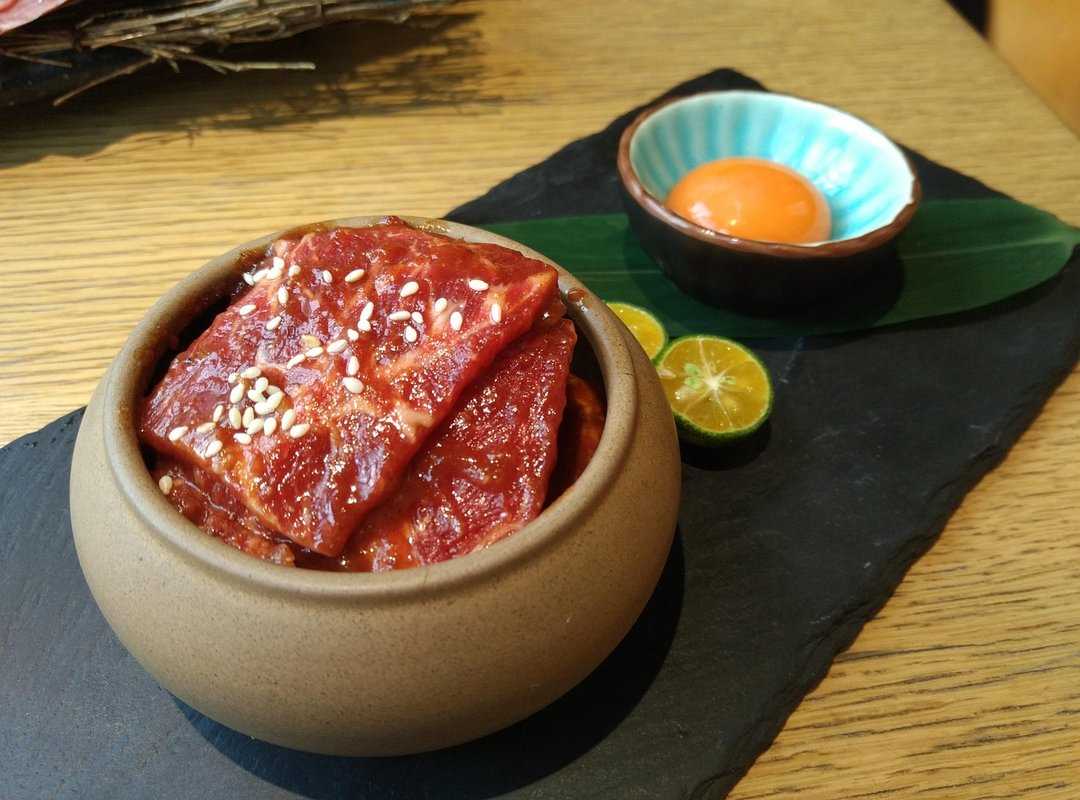
I used to think sushi was the whole story.
Then I ate ramen in Fukuoka at 2 a.m. and realized how wrong I was.
Sushi and sashimi exploded globally in the 1980s. Mostly because of refrigeration tech, not mystique.
It wasn’t magic. It was logistics. And marketing.
Now people ask me all the time: Does Nummazaki Use Raw Fish
That question alone tells you how narrow the stereotype got.
We see raw fish, we think “Japan.” We don’t think about miso soup simmering for hours. Or okonomiyaki sizzling on a griddle. Or tonkatsu pounded thin and fried crisp.
Those dishes are just as Japanese. Just as common. Just as loved.
And they’re not side notes. They’re center stage in most homes and diners across the country.
Nummazaki? It’s one of those dishes that got buried under the tuna roll avalanche.
I wrote more about this in Customunitsbymakeupd0ll com nummazaki employs.
It’s not raw. It’s not even seafood-forward. It’s something else entirely (and) it belongs in the same breath as takoyaki or yakisoba.
Weird Food Names Nummazaki is where I break down what it actually is (no spoilers, but yes. It involves fermented beans and heat).
You don’t need soy sauce and wasabi to understand Japan’s food.
You need curiosity. And maybe a willingness to try something that doesn’t look like it belongs on a sushi boat.
Ramen broth takes twelve hours. Tempura batter is ice-cold. Tonkatsu is pounded until it’s almost translucent.
None of that involves raw fish.
Yet somehow, that’s still the first thing people picture.
It’s lazy. It’s inaccurate. And it’s boring.
Let’s fix that.
Raw Fish in Nummazaki? Let’s Clear This Up
Does Nummazaki Use Raw Fish? No.
Traditional Nummazaki is simmered. Slow. Deeply savory.
It’s not raw. It’s not even room-temp.
You might see a modern menu listing “Nummazaki-inspired” with seared scallops or sashimi on top. That’s fusion. Not tradition.
Fusion is fine. I like it. But don’t confuse it with the real thing.
A chef can riff all they want (and) they should (but) calling it “Nummazaki” without context misleads people.
The sauce? Yes. The technique?
Sometimes. The raw fish? Not part of the original.
Never was.
If you’re digging into how chefs actually adapt this dish today, check out what Customunitsbymakeupd0ll com nummazaki employs shows. It breaks down real kitchen decisions, not menu buzzwords.
Taste the True Flavors of Nummazaki
I’ve said it before and I’ll say it again: Does Nummazaki Use Raw Fish? No.
It doesn’t. Not ever.
Nummazaki is about fire. Heat. Time.
Ingredients cooked until they sing.
You’ve probably been told Japanese food means sushi. Sashimi. Raw fish on a plate.
That’s one corner of Japan. Not the whole map.
Nummazaki is another world. Rich broths. Crisp-skinned fish.
Slow-braised meats. Deep umami you can’t get from raw.
It’s not “Japanese food, but without the raw.” It’s its own thing.
And if you’ve avoided it because you thought it was just more sashimi? You missed out.
So go find a real Nummazaki dish this week.
Order the simmered mackerel. Try the grilled eel with miso glaze.
You’ll taste what cooked Japanese cuisine actually sounds like.
Your turn.
 Gabriella Irvine is a dedicated team member contributing to the growth and development of the project. With a background in environmental science, she brings valuable insights into sustainable practices and community engagement. Gabriella's passion for urban sustainability drives her to collaborate closely with other team members, ensuring that innovative strategies are effectively implemented. Her commitment to education and outreach helps empower individuals and communities to adopt eco-friendly lifestyles, making her an essential asset in fostering positive change within the project.