
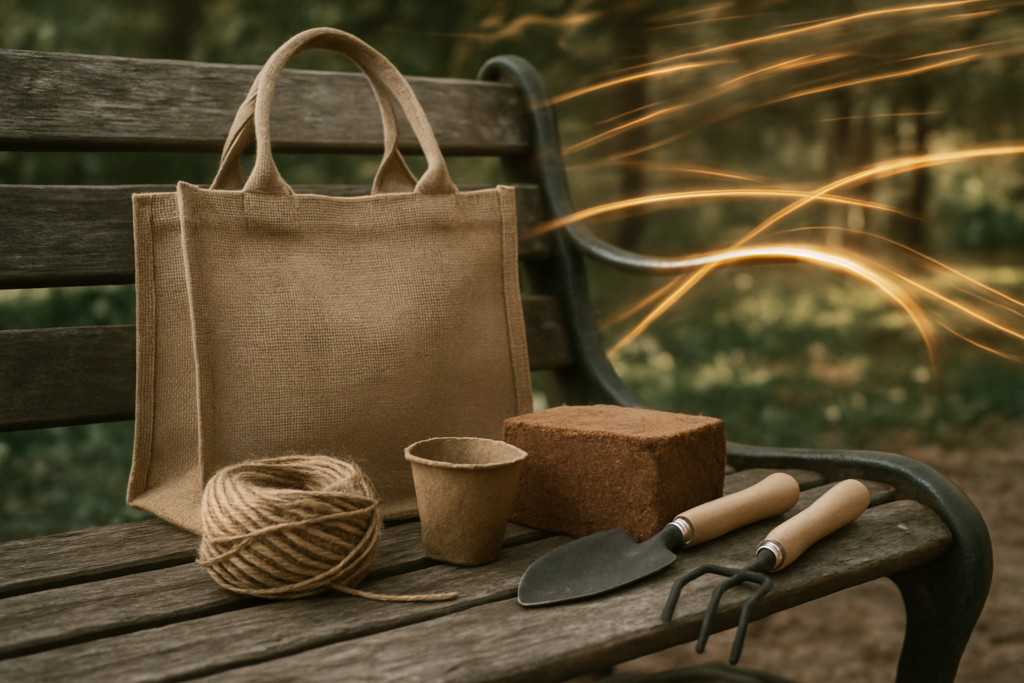
Why Go Green with Your Gardening Gear
Urban gardening isn’t just about growing herbs on a windowsill anymore it’s tied to a bigger movement. Choosing eco friendly tools means you’re cutting down on your carbon footprint and avoiding the endless cycle of cracked plastic and broken gear. It’s a shift away from convenience toward intention.
Sustainable tools are built with the long game in mind. Materials like recycled metals, natural woods, and biodegradable elements don’t just get the job done they do it without trashing the planet. Every compostable planter or rust proof hand tool that lasts five seasons instead of one is a small win for soil health and the bees and bugs keeping the system alive.
It’s also practical. You spend less time and money replacing flimsy gear and more time putting it to good use. The goal? Fewer throwaways, healthier soil, and a garden that reflects the world you want to live in.
Hand Tools with a Sustainable Edge
Start with the basics: a solid trowel and a reliable cultivator. Recycled steel versions hold up under pressure and keep scrap metal out of landfills. They’re strong and long lasting no flimsiness here which makes them the opposite of disposable plastic sets that crack before the season ends.
Next up, pruners. Look for bamboo handled designs. Bamboo grows fast without taxing the environment, and it holds up surprisingly well under daily wear. You get a grip that feels good and does good.
And don’t overlook the invisible stuff: finish matters. Rust resistant coatings like powder coated steel or stainless alternatives keep tools usable year after year. Less maintenance, less waste. Sustainability, after all, isn’t just about what your tools are made from it’s also about how long they last.
Must Have Watering Solutions
Water is precious especially if you’re gardening in a city where every drop needs to count. That’s why smart watering tools aren’t just helpful, they’re essential.
Start with rain barrels. They’re not flashy, but they work. Set one up under a downspout, and every storm gives your plants a clean, free water supply. Pair that with a smart irrigation system something with a timer or moisture sensors and you’ve got a setup that waters only when needed. Less waste, more control.
For a simple, analog option, terracotta watering spikes are a surprising power move. You fill a bottle, stick it in the spike, and the water trickles out slowly keeping the soil damp without drowning it. It’s set it and forget it, and it works overtime while you sleep.
And don’t overlook what you carry your water in. BPA free watering cans made from recycled materials check both boxes: safe for your plants, and better for the planet. No plastic leaching, and no guilt.
These tools help streamline your setup. They waste less, do more, and make eco gardening just a bit easier.
Soil Friendly Compost & Mulching Tools
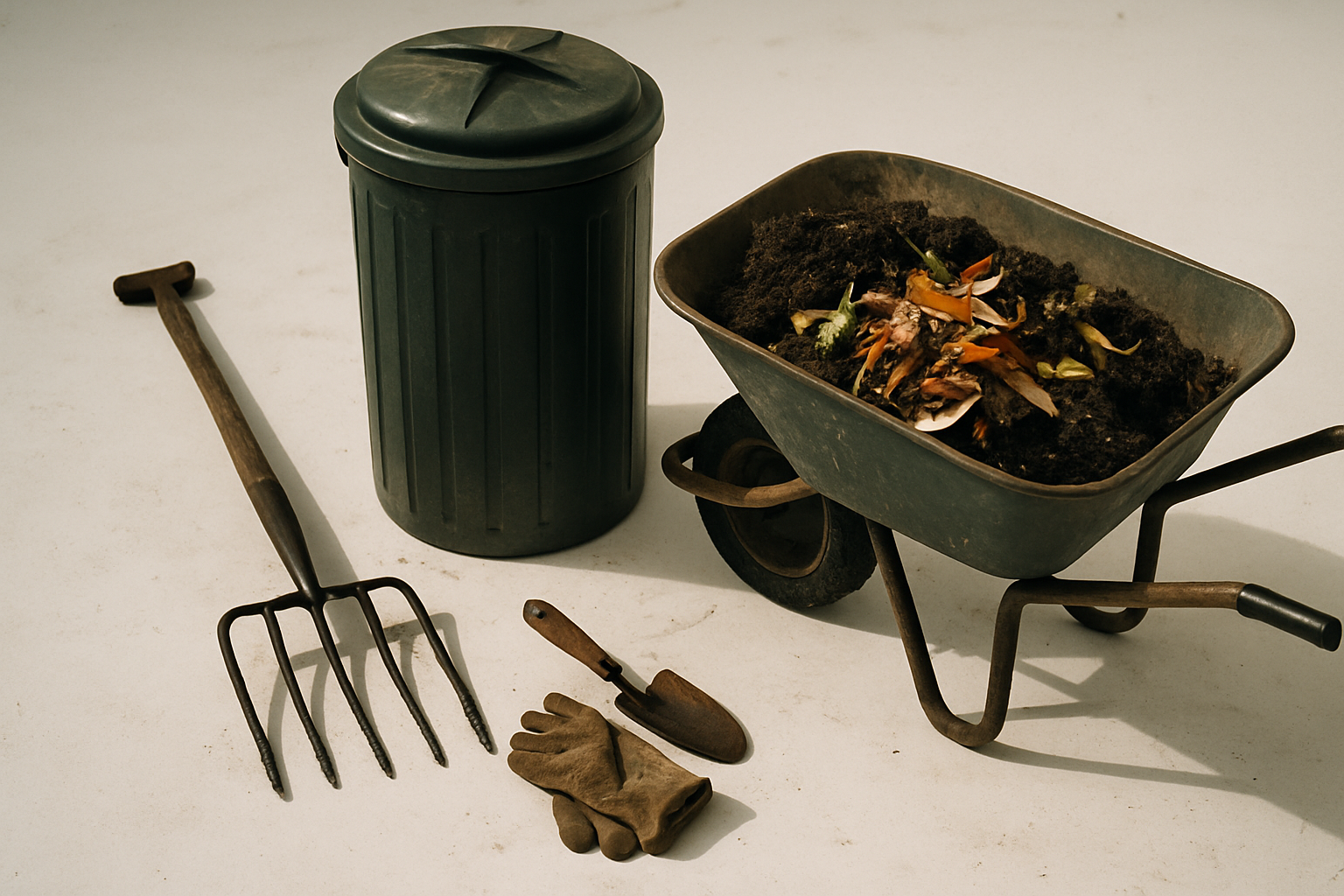
Urban gardening doesn’t require industrial sized equipment but choosing the right compost and mulching tools can make a big difference for both plant health and environmental impact.
Compact Compost Tumblers for City Spaces
If you’re working with a balcony, small patio, or compact courtyard, a space saving compost tumbler is one of the best additions you can make to your green toolkit.
Fits snugly in small areas without sacrificing capacity
Speeds up the composting process by ensuring proper airflow and rotation
Keeps odors contained essential for urban living
Look for models made from recycled plastics or upcycled metal frames for even more eco benefit.
Manual Chippers and Shredders: Mulch Without the Noise
Skip the loud, gas powered machines. Manual chippers and shredders offer a quiet, energy efficient way to break down yard waste.
Perfect for pruning debris, dry leaves, and thin branches
Reduces organic waste and creates mulch right on the spot
No electricity needed just a little elbow grease
They’re low maintenance, practical, and ideal for gardeners trying to reduce emissions.
Natural Fiber Mulch Mats: A Soil Saver
Mulching is a must for water retention and weed control but not all mulch is created equal.
Natural fiber mulch mats decompose over time, feeding the soil
Made from coconut coir, jute, or straw: all biodegradable options
Easy to cut and shape for container or bed gardens
By choosing these mats over synthetic weed barriers, you protect the soil and reduce long term waste.
So whether you compost kitchen scraps or cover your soil with organic fibers, these Earth friendly choices pay off in healthier harvests and a lighter footprint.
Starter Kits that Support the Planet
If you’re starting seeds this season, skip the plastic six packs and flimsy trays. There are better options now ones that don’t end up in the landfill. Think compostable fiber pots, reusable bamboo trays, and plant based labels that break down right in your soil. These solutions aren’t just a feel good move they make transplanting easier and cut down on waste.
Biodegradable pots made of coconut coir, paper pulp, or rice hulls hold up well during germination, then disappear into the earth when the time comes. No root shock. No trash. Paired with trays made from recycled or renewable materials, you’re giving your seedlings a more natural start in life.
If you’re short on space (or just want a kit that’s got everything in one box), check out our roundup of seed starting kits designed with sustainability in mind. They work great for patios, windowsills, and any green thumbed setup that could use a cleaner slate.
Smart Storage and Maintenance Tips
Proper storage and maintenance extend the life of your gardening tools and it doesn’t require any fancy tech or extra energy. With a few intentional habits, you can keep your gear in top condition while staying true to your sustainable values.
Keep Tools Dry
Moisture is one of the biggest threats to tool longevity. Rust and wooden rot can set in quickly if gear is left out after use.
Always wipe tools dry before storing
Hang them in a well ventilated, covered area
Consider a simple tool rack made from reclaimed wood or scrap materials
Use Natural Oils for Wooden Handles
Wooden handled tools can dry out and splinter over time. Regular oiling keeps them smooth and durable.
Choose natural oils like linseed or tung oil
Apply a light coat with a cloth and let it soak in overnight
Avoid synthetic finishes they often contain VOCs (volatile organic compounds)
Reuse, Repair, and Upcycle When You Can
Sustainable gardening includes making the most of what you already own. Before tossing a damaged tool or upgrading gear, consider whether it can be revitalized.
Patch torn gloves instead of replacing them
Sharpen dull blades with a manual stone
Repurpose broken tool handles into garden markers or trellising stakes
These small efforts not only reduce waste they add character and history to your toolkit.
Grow More With Less Waste
Going green in the garden doesn’t mean going broke or going big. The truth is, small tweaks deliver real impact swap the plastic trays for compostable ones, ditch chemical sprays for natural alternatives, or use a simple rain barrel to save gallons. These aren’t gimmicks they’re long haul solutions that cut waste and keep your growing space thriving.
Being eco friendly doesn’t require premium gear. Many budget friendly tools are now made with recycled materials and built to last. You just have to know where to look. Focus on function over flash, and the savings will stack up.
If you’re ready to start your garden off right, check out our full guide to eco conscious seed starting setups: seed starting kits.
Keep your tools clean, your garden green, and your footprint lean.
 Gabriella Irvine is a dedicated team member contributing to the growth and development of the project. With a background in environmental science, she brings valuable insights into sustainable practices and community engagement. Gabriella's passion for urban sustainability drives her to collaborate closely with other team members, ensuring that innovative strategies are effectively implemented. Her commitment to education and outreach helps empower individuals and communities to adopt eco-friendly lifestyles, making her an essential asset in fostering positive change within the project.