
You’re exhausted.
Not just tired (wired) and hollow at the same time.
Your phone buzzes. Your inbox pings. Your brain won’t shut off.
I’ve been there. More times than I’ll admit.
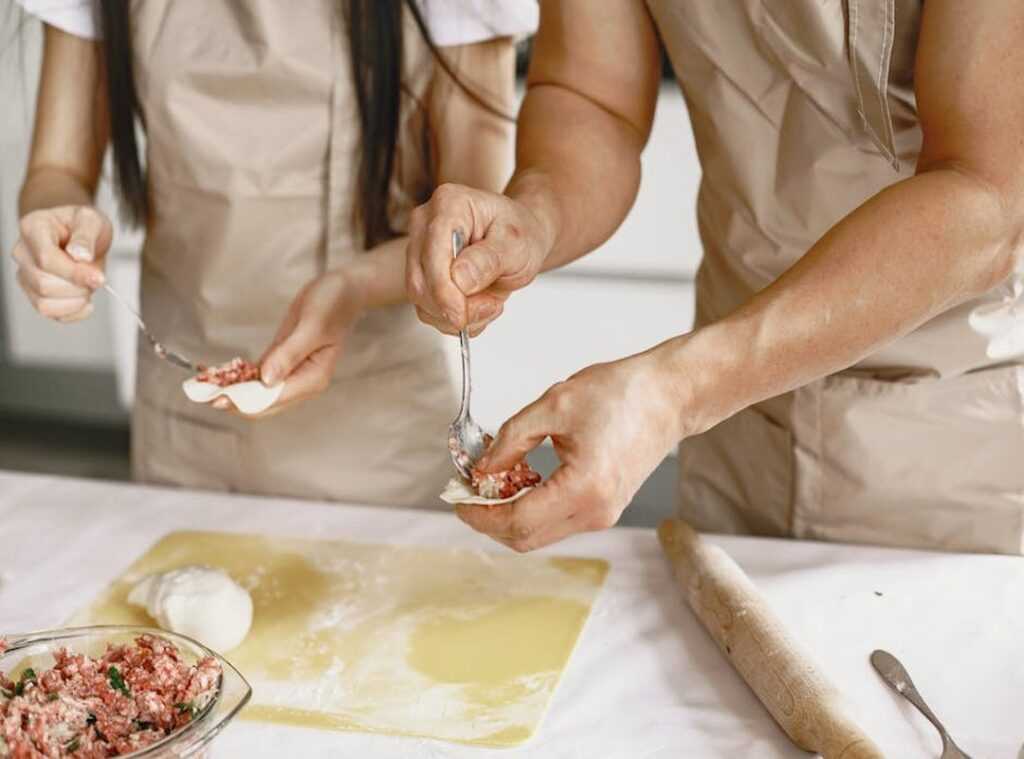
Cooking isn’t another thing on your to-do list. It’s not about perfect Instagram meals or fancy techniques. It’s about your hands in dough.
The smell of garlic hitting hot oil. That moment you taste something and think Oh. I made this.
Why Cooking Makes You Happy Fhthopefood isn’t theory. It’s what people have known for generations. Food grounds us.
Connects us. Calms us.
I’ve watched strangers become friends over shared pots. Seen anxious minds settle while chopping onions. Felt my own breath slow as I stir a sauce.
This article isn’t about productivity hacks. It’s about real shifts. In mood, focus, belonging.
That happen when you cook with attention.
You’ll get clear, practical reasons why this works. Not fluff. Not trends.
Just what actually shows up in daily life.
Read on. Then go make something.
The Mindful Kitchen: Cooking Isn’t Therapy. It’s Better
I chop onions. My knife hits the board. *Thwip. Thwip.
Thwip.*
No email pings. No Slack notifications. Just onion juice stinging my eyes.
That’s mindfulness. Not chanting. Not apps.
Just your hands doing one thing, right now.
You follow a recipe step by step because if you skip the sauté, the soup tastes flat. Your brain stops rehearsing that awkward meeting from yesterday. It’s too busy watching the garlic turn golden.
Chopping. Stirring. Kneading.
These aren’t chores. They’re physical anchors. Your body reminds your mind: you’re here.
Not in traffic. Not in debt. Not in tomorrow’s to-do list.
Ever tried making soup after a day where everything felt like static? I have. You toast cumin.
Simmer tomatoes. Taste and adjust. The chaos outside doesn’t vanish (but) it shrinks.
You hold real control over something warm and edible.
That matters.
Finishing a meal you built from scratch isn’t just dinner. It’s proof you can start and finish something. That kind of small win rebuilds self-trust faster than any journal prompt.
And yes. You get to play. Swap basil for cilantro.
Drizzle chili oil on top. Plate it crooked on purpose. Cooking is creative expression with zero gatekeepers.
Fhthopefood started as a place where people shared those messy, joyful experiments (not) perfect photos, but real food made while breathing again.
Why Cooking Makes You Happy Fhthopefood isn’t some slogan. It’s what happens when your hands are busy and your head finally shuts up.
I’ve done the deep breaths. I’ve tried the apps. Nothing grounds me like stirring risotto for 20 minutes.
You know that calm feeling right before you bite into something you made? That’s not magic. That’s practice.
A Feast for the Senses: Cooking Pulls You Back to Now
I chop onions. My eyes water. I laugh at myself.
That sting is real. It’s not abstract stress (it’s) right here.
The sizzle hits first. Oil in a hot pan. Sharp.
Immediate. You can’t ignore it. You have to pay attention or it burns.
(Same with life, honestly.)
Then the smell. Warm cinnamon. Toasted cumin.
Fresh basil torn between fingers. Not perfume. Not memory (actual) scent molecules hitting your nose.
Your brain stops scrolling. It just breathes.
I watch red peppers glisten under olive oil. See turmeric stain my thumb yellow. Watch steam rise from boiling pasta water like a slow, soft sigh.
My hands sink into dough. Cold butter. Sticky flour.
Wet masa. Texture tells me what’s happening before my eyes do. No screen needed.
Just pressure. Resistance. Yield.
Taste comes last (but) not as a finish line. It’s a checkpoint. Salt?
Acid? Heat? I adjust.
I’m present. Not rehearsing a conversation from yesterday. Not worrying about tomorrow’s meeting.
This isn’t mindfulness theater. It’s sensory gravity. Five senses anchoring you in your body, in this kitchen, right now.
Worries don’t vanish. But they shrink. They lose volume when the pan is screaming and your fingertips are sticky with tomato paste.
That’s why cooking works. Not because it’s “self-care.” Because it’s real. Concrete.
Messy. Loud. Smelly.
Tactile. Delicious.
And that’s exactly why Why Cooking Makes You Happy Fhthopefood isn’t just a phrase. It’s what happens when your nervous system finally exhales.
You don’t need fancy tools. You don’t need a recipe. Just one onion.
One knife. One pan.
Start there. Feel the weight of the knife. Hear the scrape.
Smell the sharpness.
Beyond the Plate: Where Food Stops and People Start
I used to cook to eat. Then I cooked to impress. Now I cook to stay close.
That shift happened after my sister showed up unannounced, stressed, holding a bag of lemons. We made lemon bars. No talk about work.
No phones on the counter. Just flour, sugar, and silence that wasn’t awkward. It was full.
I go into much more detail on this in Benefit of cooking at home fhthopefood.
Cooking isn’t about perfection. It’s about showing up with your hands and your attention.
You teach your kid how to roll dough not because they need another skill. But because you’re saying I’m here with you.
You invite friends over even when the apartment’s messy. You burn the garlic. You laugh about it.
That’s the point.
Screens kill connection faster than undercooked chicken kills dinner. Put them away. Not “sometimes.” Every time.
The Benefit of cooking at home fhthopefood goes way past calories or cost. It’s about rhythm. Shared tasks.
The smell of something real filling the air while someone tells you about their awful day.
I’ve sat across from people who haven’t spoken in months (then) chopped onions together for thirty minutes and remembered how to listen.
Does it always work? No. Sometimes the sauce breaks.
Sometimes someone’s still mad. But the act itself resets the temperature in the room.
Why Cooking Makes You Happy Fhthopefood isn’t some dopamine chart. It’s the weight of a warm plate handed to someone who needed it.
It’s your partner asking, “Can I stir?” instead of scrolling.
It’s the quiet hum of a pot on the stove. And the louder hum of being known.
Try it tonight. Even if it’s just toast and eggs. Even if it’s for one.
Make space. Not just on the counter. In your life.
Start Small or Don’t Start At All
I used to stare into the fridge for ten minutes, convinced cooking was a test I’d already failed.
So here’s what actually works.
Master one dish. Just one. Scrambled eggs.
Tomato sauce from canned tomatoes and garlic. Something you can make blindfolded (almost). That’s your anchor.
Then cook with music. Not background noise (real) music. Something you like.
It changes the whole vibe. Suddenly it’s not chores, it’s you in the kitchen.
Next time, pick one sense. Smell only. Or sound.
Or the weight of the spoon. No multitasking. Just that.
You’ll notice how fast your shoulders drop.
That’s why cooking makes you happy. not because it’s perfect, but because it’s yours.
If baking feels more doable right now, try the Fhthopefood Baking Recipes. They’re simple. They work.
And they don’t ask for much.
Joy Starts in the Kitchen
I used to think cooking was just about feeding people. Then I stopped rushing. Stopped treating it like a chore.
It’s not. It’s your hands in dough. The smell of garlic hitting hot oil.
That moment you taste something and remember you’re alive.
You already know this. You’ve felt it when dinner wasn’t just food (it) was calm. Connection.
A real break from the noise.
Why Cooking Makes You Happy Fhthopefood isn’t theory.
It’s what happens when you slow down and show up for yourself.
You’re tired of feeling drained. Of scrolling instead of savoring. Of eating without tasting.
So this week. Pick one simple recipe. Put on music.
Turn off the phone.
Start there.
Your kitchen is waiting.
 Gabriella Irvine is a dedicated team member contributing to the growth and development of the project. With a background in environmental science, she brings valuable insights into sustainable practices and community engagement. Gabriella's passion for urban sustainability drives her to collaborate closely with other team members, ensuring that innovative strategies are effectively implemented. Her commitment to education and outreach helps empower individuals and communities to adopt eco-friendly lifestyles, making her an essential asset in fostering positive change within the project.