
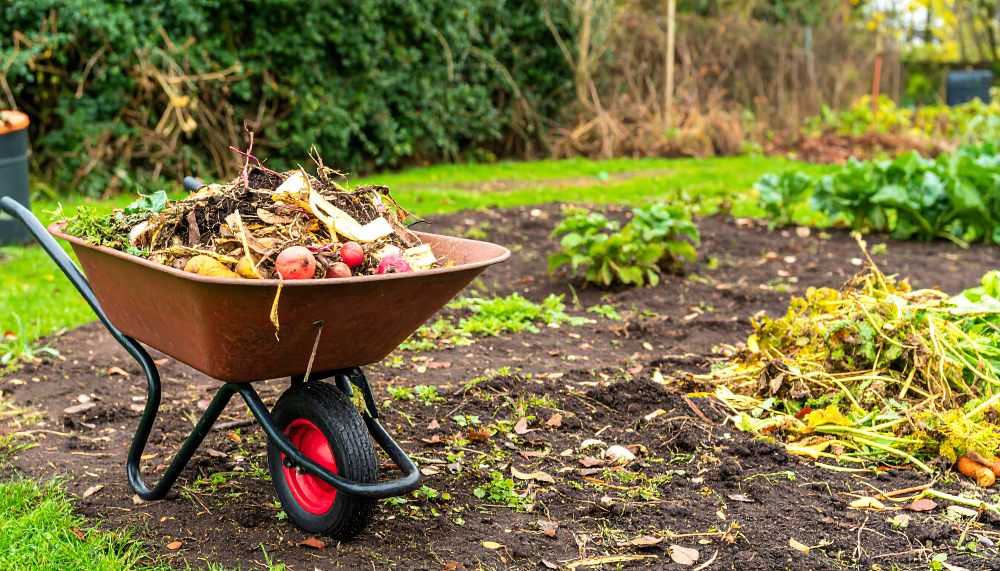
A well-managed yard is a source of pride, but the debris that accumulates from routine maintenance, seasonal storms, or major landscaping projects can quickly become overwhelming. From fallen branches and grass clippings to uprooted plants and old garden ornaments, sorting this material effectively is the first step toward responsible disposal and a cleaner property.
This guide will walk through the essential steps to categorize, handle, and dispose of your yard waste.
Establishing a Sorting Station
Creating a dedicated sorting area saves time and energy. Instead of moving debris back and forth, designate separate zones or yard waste containers for different material types. Clear, open space on a driveway or a tarp on the lawn works well. Use color-coded bins, heavy-duty bags, or simply marked sections on the ground for each category. The goal is to create a system where every item has a place, preventing cross-contamination that can complicate recycling or disposal later. This organized approach allows for a smooth workflow, ensuring that organic matter doesn’t end up mixed with metals or hazardous waste.
However, before diving into the physical work, a proper assessment of the debris pile is crucial. Approach the pile with a critical eye, identifying potential hazards. Look for hidden dangers like sharp objects buried in brush, nails protruding from old lumber, or wasp nests in hollow logs. If you’re in central North Carolina or similar locations looking to responsibly dispose of scrap metals from your yard, working with providers specializing in scrap metal Sanford, which accepts everything from old tools to junk appliances, would be a great start.
Category 1: The Organic Matter Goldmine

The bulk of most garden debris is organic, such as leaves, grass, small twigs, spent vegetable plants, and non-invasive weeds. This isn’t a waste, it’s a resource. This material should be directed toward a compost pile or a municipal green waste program. Here’s how to handle the organic matter:
Composting at Home
If you have a garden, mixing “greens”, like grass clippings and vegetable scraps, with “browns” can create nutrient-rich humus that improves soil structure. Avoid composting diseased plants or weeds that have gone to seed, as these can survive the composting process and spread problems later.
Curbside Programs
Many communities offer yard waste collection. Check local regulations, as these programs often require organic debris to be placed in specific paper bags or open bins, not plastic. Branches are usually required to be bundled with natural twines and kept under a certain length and diameter.
Category 2: The Lumber and Large Wood
Larger branches, logs, and untreated lumber fall into a separate category. This material has several potential destinies. For instance, clean, dry hardwood logs can be split and seasoned for fireplaces or campfires. Larger branches and small logs can be fed through a wood chipper to create valuable mulch for garden beds and pathways. This is an excellent way to recycle material on-site.
Lastly, treated lumber, often used for decks or raised beds, contains chemicals and should never be burned in a residential fire pit or added to compost. It must be disposed of according to local hazardous waste guidelines or sent to a landfill designated for construction debris.
Category 3: The Soil, Sod, and Rocks
Excavation for new plants or hardscaping often yields soil, sod, and rocks. These heavy materials require special considerations, including:
Clean Fill
Clean soil and rocks can sometimes be used elsewhere on the property for leveling or as a base for paths. If not needed, they can typically be advertised locally for free as “clean fill,” as other homeowners or contractors may need them for their projects.
Sod Disposal
Sod is heavy and dense. It can be composted if stacked upside down and kept moist, allowing the grass to decompose. Alternatively, it often needs to be disposed of at a landfill or a dedicated green waste facility that accepts it.
Category 4: The Hazardous Household Waste
This category is small but critical. Items like old pesticide containers, herbicides, stains, paints, and batteries from garden tools should never be mixed with regular debris or tossed into plastic bags left at the curb. These materials contain chemicals that can leach into the soil and water, posing serious risks to soil health and local ecosystems. They require disposal at a designated household hazardous waste collection event or facility, not standard collection day pickups. Check with the local public works department for the nearest drop-off location and accepted items.
While managing these hazards, it’s also wise to consider safer alternatives for the future, such as storing garden chemicals in clearly labeled reusable containers to prevent leaks. For properties undergoing major land clearing, this separation is especially vital, as hazardous materials are often unearthed alongside wood waste and other debris. Properly disposing of these items can ensures that efforts like backyard composting and maintaining healthy garden beds are not undermined by hidden contaminants.
Category 5: The Scrap Metal and Appliances
Old garden tools, broken aluminum chairs, rusted metal fencing, gutters, and non-working lawnmowers or appliances are common in garden debris piles. These items are valuable resources for the recycling industry. Metal recycling conserves natural resources and reduces the energy needed for manufacturing new products compared to mining virgin ore.
By diverting these metals from the general waste stream in your sustainable garden, they’re processed and returned to the manufacturing cycle, creating a positive environmental impact.
Key Takeaway
Sorting garden debris like a professional is a mindset. It can transform a chaotic chore into a systematic process of resource recovery. Viewing the pile not as a single mass of trash but as a collection of distinct materials with different next steps, the task becomes manageable and meaningful.
By keeping the information mentioned above in mind, you can ensure compliance with local disposal laws, contribute to a healthier local environment, and often return valuable resources to the garden or the community.
 Gabriella Irvine is a dedicated team member contributing to the growth and development of the project. With a background in environmental science, she brings valuable insights into sustainable practices and community engagement. Gabriella's passion for urban sustainability drives her to collaborate closely with other team members, ensuring that innovative strategies are effectively implemented. Her commitment to education and outreach helps empower individuals and communities to adopt eco-friendly lifestyles, making her an essential asset in fostering positive change within the project.